HIBAPRESS – w.m.a.
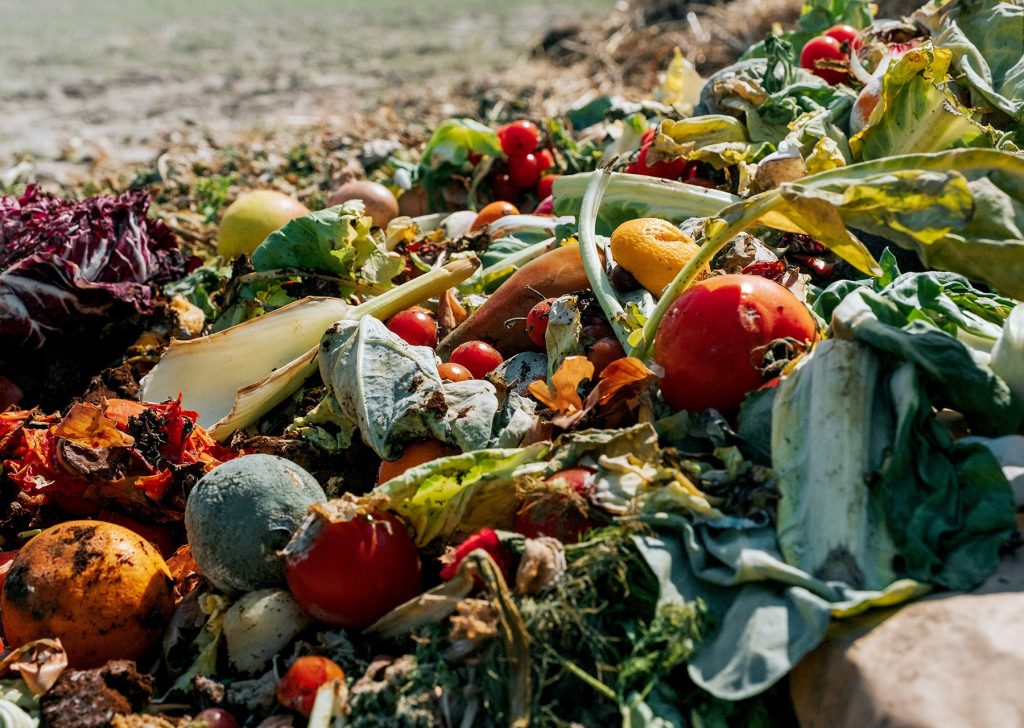
The Economic, Social and Environmental Council organized a communication meeting today, Wednesday, dedicated to presenting the outcomes of its opinion on the topic of "Loss and waste of food in Morocco: the size of the phenomenon and its stakes for effective intervention."
A statement from the Council stated that Abdul Qader Amara, in his opening speech on the occasion, confirmed that the Council's choice to examine this topic comes in view of the increasing economic, social and environmental importance of this phenomenon, and the challenges it poses related to production, distribution and food consumption models, in order to ensure the optimal use of resources and enhance their sustainability for Morocco. The President of the Council explained that this phenomenon affects various stages of the food value chain, as some agricultural chains, especially fruits, vegetables and grains, record loss rates ranging between 20 and 40 percent during the stages of production, harvest, storage and transportation, pointing to some important data that came through the Council's "I Share" platform from a number of citizens. In this regard, the President of the Council stressed the need to include the goal of reducing loss and waste at the heart of a future sustainable national food strategy, which aims to strengthen food sovereignty and security, preserve natural resources, rationalize food imports, as well as promote a more sustainable food model and social justice and the ability to withstand crises, taking into account the consumption patterns of Moroccan families. For her part, Mina Al-Rashati, a member of the Council and rapporteur of the opinion, stressed that the phenomenon of food loss and waste represents a multi-dimensional challenge, due to the economic, social and environmental effects it entails. In this context, she indicated that some estimates indicate that Moroccan families got rid of about 4.2 million tons of food in 2022, at an average of 113 kilograms per person per year. She also pointed out that in addition to its economic cost, which affects the availability of food products, this phenomenon increases the pressure on natural resources, as more than 1.6 billion cubic meters of water are mobilized annually to produce food that does not reach the final consumption stage. Council recommendations: With a view to developing a sustainable national food strategy, the Economic, Social and Environmental Council proposes to develop a special action plan to reduce food loss and waste, to be integrated later into the strategy, through the presentation of a set of recommendations. This concerns preparing a special law to combat the loss and waste of food; clarifying and unifying the regulations for the expiry date of food products, by distinguishing between the phrase "good for consumption until" associated with health safety, and "it is preferable to consume before" associated with quality, while enabling the possibility of extending the validity period of products, or deleting some unnecessary expiry dates when conditions are met. The Council also called for the establishment of a multi-party governance mechanism, bringing together the relevant government sectors, the private sector, and civil society, with the aim of coordinating interventions and ensuring the convergence of efforts aimed at reducing food loss and waste at all levels, in addition to establishing a national observatory for food loss and waste that will collect and unify data, produce indicators, prepare analytical memoranda of a strategic nature, and propose appropriate corrective measures for local specificities. The Council also recommended developing appropriate infrastructure, especially for storage and transportation, in areas with high agricultural potential, especially by providing storage facilities that are insulated from external factors, and cooling warehouses powered by solar energy, to ensure that the shelf life of perishable products is extended. On the other hand, it urged the establishment of neighborhood units to transform agricultural products, including small mobile units at the level of municipalities, to take care of the immediate processing of crops and the valuation of perishable products locally, in addition to encouraging short routes within marketing chains, and strengthening the organization of markets in order to reduce the number of intermediaries, and reduce losses related to transportation and logistics, and improve the income of producers. The recommendations include motivating and accompanying companies to integrate recycling and reuse practices into production and distribution operations; and encouraging companies active in the various stages of the food chain to donate in kind surplus and food products exposed to loss or waste within the framework of the tax incentives in force. In addition, the Council drew attention to the importance of developing digital applications dedicated to inventory management, tracking the path of products, and redistributing unsold goods, especially for the benefit of solidarity networks and charitable work, as well as supporting citizen solutions to reduce food waste, such as solidarity refrigerators and applications for donating food, which enhances local initiatives with a positive social impact.