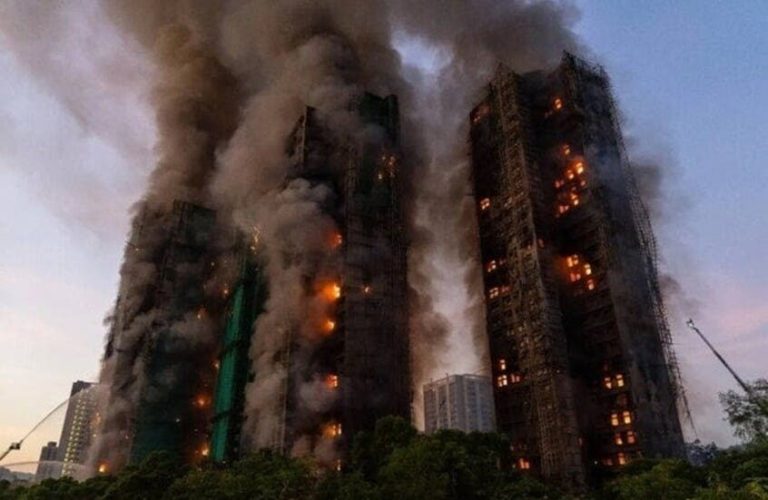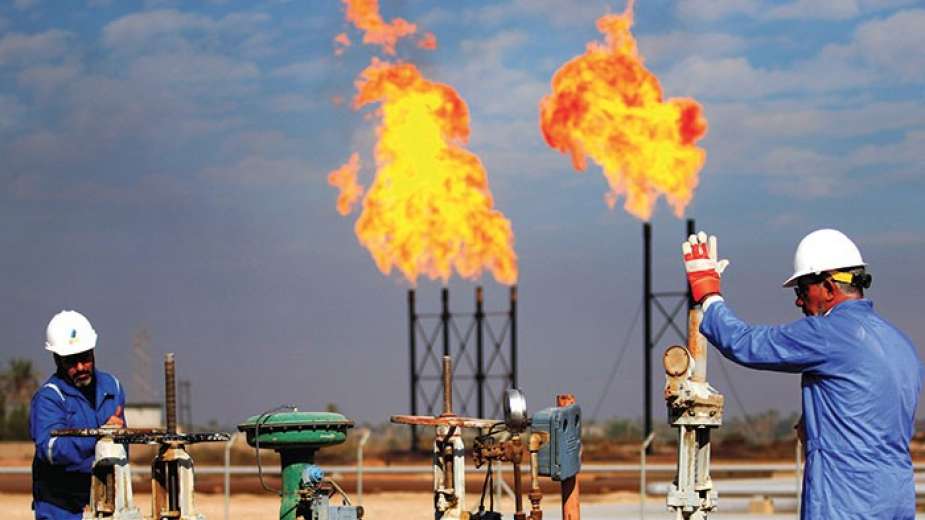
Energy markets in Europe are witnessing a new wave of sharp increases in natural gas prices, driven by escalating military tensions in the Middle East, along with expectations of the return of cold weather to large areas of the continent, which increases pressure on energy demand in the coming phase.
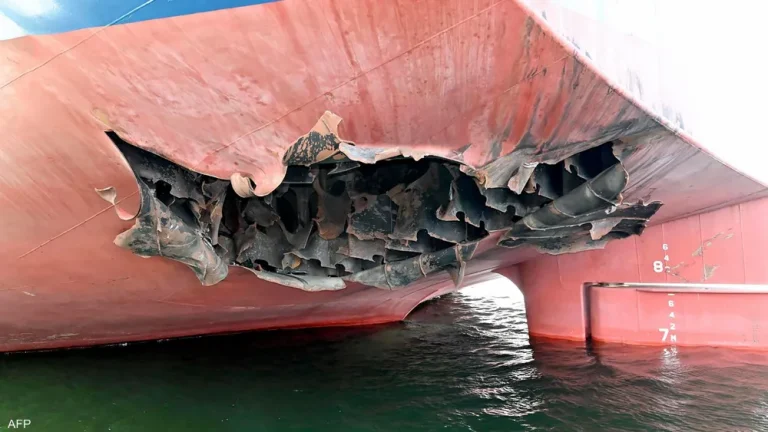
Gas prices in the benchmark European market, the Dutch TTF index, jumped remarkably, with standard contracts rising to approximately 70 euros per megawatt/hour, before slightly declining later, after being stable at only 30 euros before the aggravation of the war in Iran. This rapid rise is linked to the escalating geopolitical disturbances in the Middle East, especially in light of fears of disruption to global energy supplies, particularly via the Strait of Hormuz, through which about 20 percent of the world's oil and liquefied natural gas trade passes. The military tension also contributed to the suspension or reduction of some energy shipping operations, which prompted European markets to enter into strong competition for available liquefied natural gas shipments globally, which was quickly and sharply reflected in prices. Energy experts warn that the continuation of tension in the Middle East may push gas prices to higher levels in the coming months, especially if this coincides with strong cold waves and a decline in renewable energy production, which may put Europe in front of additional challenges related to energy security and market stability.