HIBAPRESS – Mohamed Zariouh
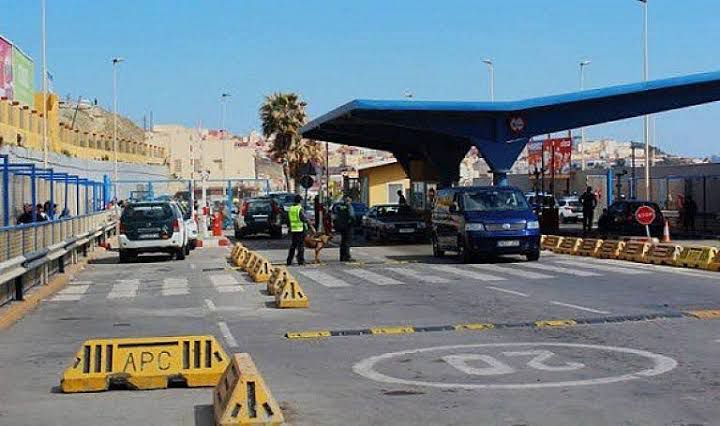
The borders between occupied Melilla and Morocco have experienced dramatic transformations in recent years, with a noticeable decline in daily crossings, from approximately 30,000 people per day before 2020 to about 7,500 people currently.
This decrease is due to the sudden closure imposed by the COVID-19 pandemic on land crossings, a decision that had profound economic and social repercussions on the population and commercial activities between Morocco and occupied Melilla. This decline was not just a reduction in numbers, but a radical change in the course of individuals' lives and trade. It was not limited to reducing the movement of individuals only, but also affected the movement of vehicles. The number of vehicles crossing daily has decreased from about 4,000 vehicles to only 1,700, which indicates significant damage to the movement of transportation and logistics trade. This change is evidence of the profound economic impact that the pandemic has left on trade relations between the occupied city and Morocco. The sixth anniversary of the decision to close the land crossings between Morocco and occupied Melilla comes on March 13, a decision that surprised everyone and led to a paralysis in the movement of crossings. On March 12, 2020, the closure was announced, which came into effect after only eight hours, leading to a state of chaos as hundreds became stranded between the two sides without sufficient time to settle their situations. The local authorities in Melilla were not prepared for such a sudden crisis, which prompted them to open temporary reception centers to accommodate those stranded. In light of this difficult situation, temporary camps were established in Melilla, including a reception center in a sports hall and a camp in the “Fi Beno” celebration square. Some of those stranded were also moved to other places, such as a bullring, in a move that reflects the size of the challenge faced by the local authorities in dealing with this emergency humanitarian situation. Despite the passage of time and the partial opening of the Beni Ansar crossing in May 2022, the movement of crossings has not returned to its normal level. Today, the Beni Ansar crossing is still the only crossing open between occupied Melilla and Morocco, after the city had three main crossings before the pandemic. In light of the new conditions imposed by the Moroccan authorities, such as the need for a passport to cross the border, the situation remains complicated, as crossing has become more difficult for citizens who were accustomed to crossing the border using an ID card. At the same time, the state of stagnation continues in the movement of goods between occupied Melilla and Morocco, which reinforces the political debate within Spain about the repercussions of this situation on the local economy.