HIBAPRESS – Ahmed Sabbar
As the date of the upcoming legislative elections approaches, the Moroccan political scene enters a critical phase characterized by intense consultations and fierce competition within the parties, especially regarding the endorsement file, which is one of the most prominent determinants of the upcoming electoral map. In the midst of these preparations, a number of major parties that led the government during the current term are experiencing internal tensions and organizational challenges, compared to the emergence of more calm and harmonious management models.
In each of the National Rally of Independents party, the Authenticity and Modernity Party, and the Istiqlal Party, the issue of granting endorsements is strongly raised, as the intensity of competition increases between a number of aspiring candidates, which sometimes produces internal tensions and hidden conflicts that may affect the cohesion of these political organizations as the date of decision-making approaches.
A number of political readings agree that managing the pre-election phase is no longer limited to selecting candidates according to purely electoral criteria, but has become dependent on precise balances that combine party loyalties, local calculations, and bets related to the ability to mobilize and attract, which makes the endorsement process a real test of the effectiveness of the organizational structures of the major parties.
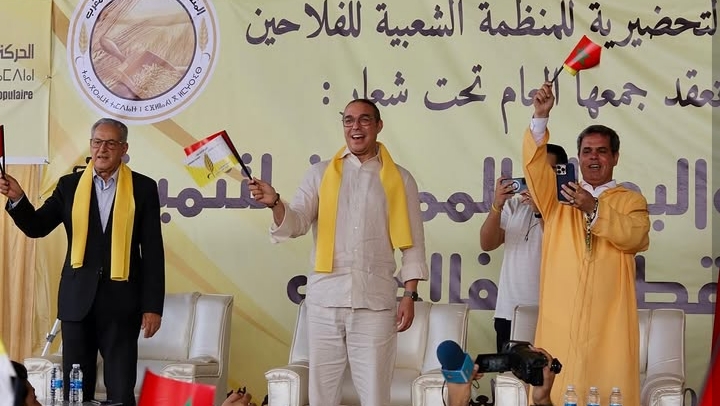
In contrast, the Popular Movement party stands out as a remarkable organizational case, as it has succeeded, according to a number of observers, in managing this sensitive stage with a great deal of discipline and flexibility, without recording prominent conflicts or sharp divisions over endorsements. This is attributed to the party's reliance on an internal consensus approach, which is based on involving local structures and favoring the logic of continuity and gradualism in renewing elites.
The most significant in this context is the Popular Movement's ability to strengthen its presence in a number of electoral districts that were recently classified among the electoral strongholds of major parties, especially in the Gharb region, which reflects gradual changes in the balance of power at the local level, and indicates the party's ability to reposition itself within the upcoming political scene.
Observers believe that this organizational performance may give the Popular Movement a comfortable margin during the election campaign, especially if the competing parties continue to drain their energy in managing internal differences, but that does not negate the nature of the fierce competition that characterizes the legislative elections, which remains dependent on multiple factors, including the participation rate, potential alliances, and the behavior of voters.
In conclusion, the current pre-election phase seems to be a double test for political parties, between testing the ability to manage internal balances, and testing the readiness to wage an electoral battle that is not only decided in the ballot boxes, but actually begins from within the party itself.