HIBAPRESS – Following
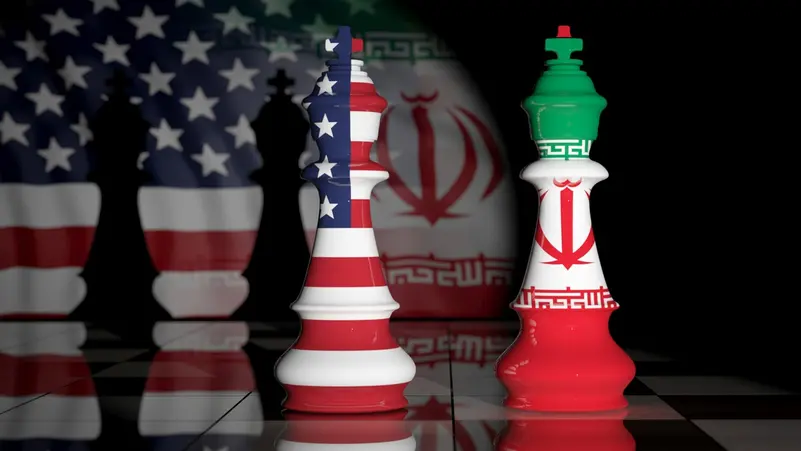
Escalation continues in the Strait of Hormuz, where Iran has maintained the closure of this vital sea lane, and fired upon ships attempting to cross, considering this a response to what it describes as the continued American blockade of its ports.
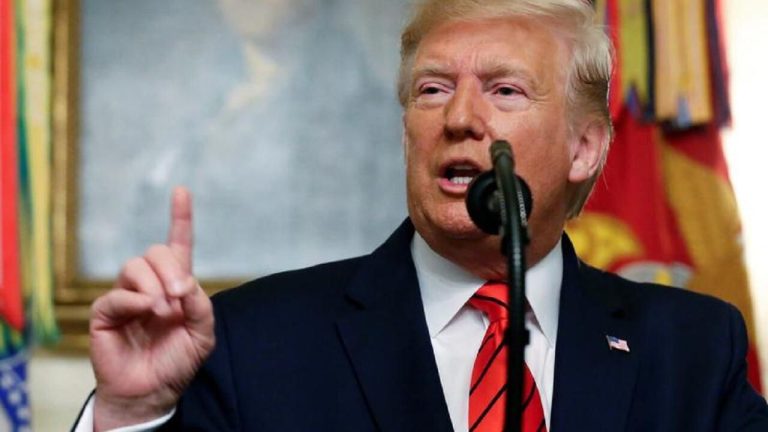
The Iranian Revolutionary Guard confirmed that the strait will remain closed until this blockade is lifted, warning that any ship attempting to approach will be directly targeted, in a move that reflects Tehran's hardline stance before the end of the temporary ceasefire with the United States on April 22. In the meantime, the commander of the Pakistani army, Asim Munir, left Tehran carrying what is likely to be an Iranian response to new American proposals, while the Supreme National Security Council of Iran announced that these proposals are still under study, without an official response, stressing that the negotiating team will not make any concessions that affect national interests. In parallel, US President Donald Trump held an emergency meeting at the White House to discuss the developments of the escalation and the future of indirect negotiations with Tehran, amid anticipation of an expected announcement regarding the course of these talks. In Tel Aviv, an Israeli military official reported that the army is on high alert in anticipation of the collapse of the ceasefire and the resumption of the confrontation, especially with increasing doubts about the outcomes of the expected negotiations in Islamabad. For his part, a senior US official warned that the failure to make progress soon in the negotiations could lead to the resumption of the war in the coming days, in light of the continuing disagreements regarding the nuclear file and the reopening of the Strait of Hormuz. Despite Trump's talk of "very good talks," ambiguity still surrounds the results of the negotiations a few days before the end of the truce, which enhances the possibilities of the return of military escalation in the region. It is worth mentioning that the war that broke out on February 28 between Iran on the one hand, and the United States and Israel on the other, resulted in the killing of a number of Iranian leaders, and its scope expanded to include several countries in the region, and also caused disruption in global energy markets, given the importance of the Strait of Hormuz, through which a large percentage of global oil supplies pass.