HIBAPRESS – Abdel Latif Baraka
The social services provided to national security employees are no longer limited to temporary initiatives or restricted privileges. Instead, they are moving towards building a more comprehensive system that touches upon various aspects of the security family's daily life, from health, education, housing, and insurance, to transportation, communications, and other fields.
The regional communication days organized by the Mohammed VI Foundation for the Social Works of National Security Employees are highlighted as one of the mechanisms reflecting this transformation, moving from a service delivery logic to a logic of communication, listening, and needs assessment.
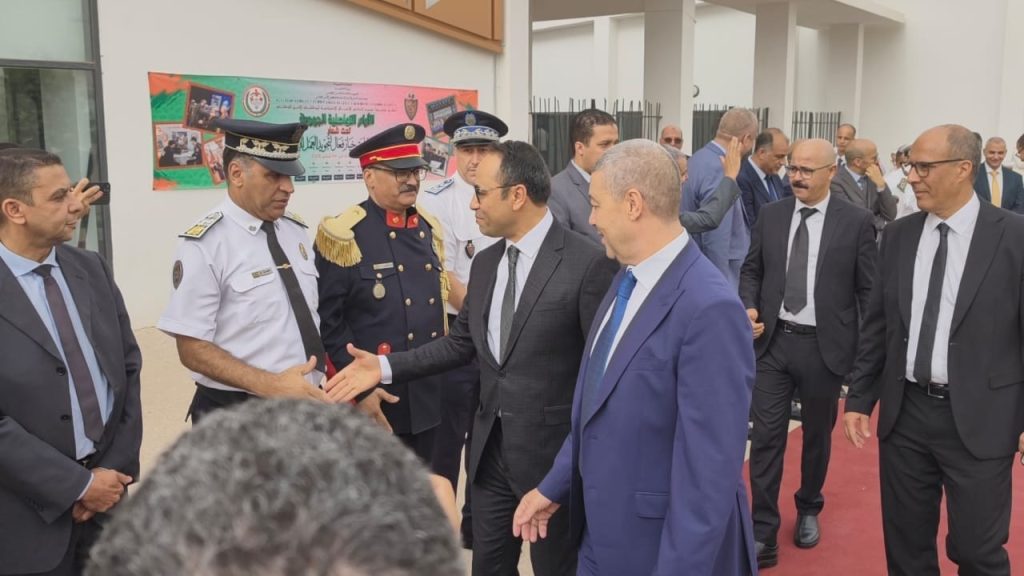
In this context, the city of Agadir hosted last Friday the second stage of these communication days in its second edition. This occasion allowed national security employees, including retirees and their dependents, to directly access the various programs, services, and offers provided by the foundation.
The occasion also served as an opportunity to introduce the partnerships concluded with a number of institutions and stakeholders, which expands the scope of benefits and makes the social offering more diverse and linked to the actual needs of the members.
What is noteworthy about this initiative is its communication aspect. The foundation does not limit itself to presenting its services; rather, through its regional tour, it seeks to listen to the expectations and suggestions of members and identify areas for development. This approach introduces a more modern concept of social work within the security institution, based on proximity and continuous interaction, considering that improving the social conditions of security men and women ultimately constitutes one of the avenues for valuing human capital and enhancing their ability to perform their duties under better professional and social conditions.
From this perspective, the Agadir stage can be viewed as more than just a communication activity. It reflects a trend towards consolidating the social works foundation as a key link in supporting national security employees and their families, especially in light of the diversity and evolution of social needs.
The main challenge remains to transform these programs and partnerships into more effective services that respond to expectations, making proximity and listening permanent mechanisms for developing the social offering, not just part of seasonal events.