HIBAPRESS – Mohammed Zerouih
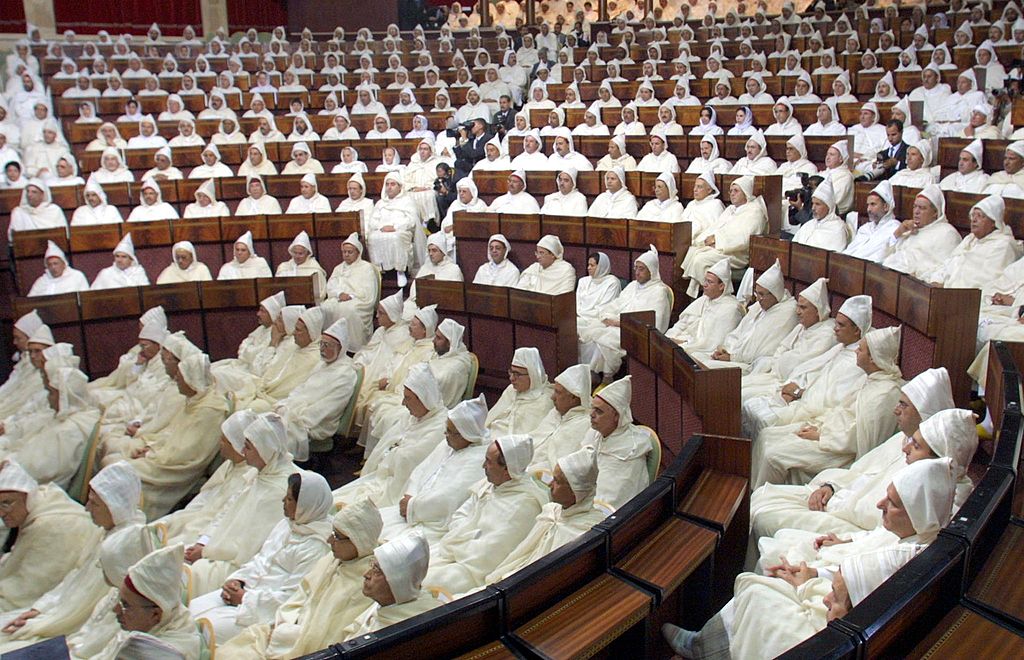
A video clip that went viral on social media, documenting the moment MP for the Nador region, H.F., left the Parliament headquarters, has sparked significant interaction among followers. This occurred after he was directly asked by a journalist about the content of the Royal speech on the occasion of the opening of the new legislative year, during the opening session of the legislative term yesterday, Friday. Instead of providing clarification on the main messages he absorbed from the Royal speech, the MP asked the journalist to contact the official spokesperson, a stance that opened a wide discussion about the nature of communication between the representatives of the nation and the media.
According to the circulated clip, the journalist tried to inquire about the MP's interpretation of the Royal speech's contents and what it might signify for parliamentary work and citizen expectations, especially in the Nador region, which faces a set of developmental and social challenges. However, his response, directing the journalist to his official spokesperson, surprised many followers who expected a direct clarification from him as a representative of the population within the legislative institution.
The discussion extended beyond the moment captured by the video, turning into questions about the limits of the spokesperson's role in political communication and the ability of elected officials to directly present their positions and explain their visions to public opinion. Communication with the press is a fundamental part of representative work, especially when it comes to a Royal speech that defines general directions and national priorities, placing the responsibility on members of Parliament to interact with its content and translate it into legislative and oversight positions and initiatives.
The incident also brought back to the forefront a fundamental question about how representatives from the Nador region engage with issues of public concern, such as infrastructure, job opportunities, investment, social sectors, and youth aspirations. Citizens do not expect their representatives merely to attend official occasions; they also look forward to clarifications regarding their stances, priorities, and how they defend matters concerning the region inside and outside Parliament.
Amidst the comments accompanying the video's spread, some followers cast doubt on the MP's ability for direct communication with citizens and the media, while others believed the incident raises a broader discussion about the criteria for evaluating parliamentary performance, away from impressions that might arise from a short clip. There were also comments comparing the MP who was unable to speak with another MP who was sidelined yet possesses great competence, in the context of a discussion about competence and representation. These views reflect the varied positions of followers and do not, in themselves, constitute an objective evaluation of parliamentary performance.
Away from prejudice, the significance of this incident lies in the questions it raises about the relationship between elected officials and the media, and their readiness to explain their positions to public opinion, especially during prominent political and constitutional junctures. Any official has the right to utilize a communication team, but this does not negate their ability to express their personal and political stances and answer questions related to their representative duties when they choose to engage with the press.
Ultimately, the incident brings back a broader question: What do the residents of Nador expect from their representatives in Parliament? Is it limited to attending sessions and appearing in official photos, or does it go beyond that to possessing a clear vision regarding national and local issues, and the ability to defend them and communicate about them with citizens? As the video and its associated comments continue to circulate, the evaluation of MPs' performance remains contingent on the concrete positions, initiatives, and arguments they present, not just on a fleeting moment before a journalist's camera.