HIBAPRESS – Mohamed Zerriouh
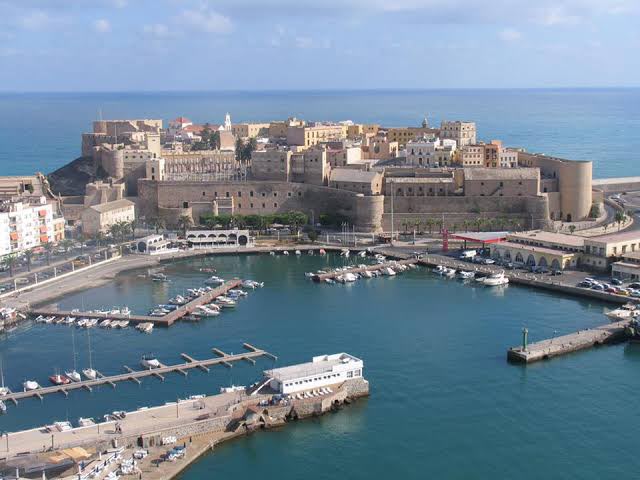
The Spanish writer and historian Juan Eslava Galán has sparked a debate regarding the future of the occupied cities of Ceuta and Melilla, by presenting a vision predicting their eventual transition to Moroccan sovereignty in the long term. This transition, according to his analysis, might begin with a form of joint sovereignty between Rabat and Madrid, before evolving into what he described as the gradual Moroccanization of the two cities, in light of the demographic and geopolitical transformations occurring in the region.
These statements were made during the presentation of his new book, "The Cold War as Told to Skeptics." The Spanish historian linked the future of the two cities to potential changes in the international balance of power, considering that the growing strategic importance of Morocco and its increasing regional presence might push Spain, in the future, to reconsider the arrangements for managing the two cities, which could open the door to new forms of relations between the two parties.
In the context of discussing international balances, Eslava pointed to what he considers a leading position for Morocco with the United States of America, suggesting that Washington would likely support Rabat in the event of a sharp dispute between it and Madrid. The historian recalled the Ifni War in 1957, considering that the American position at the time restricted Spain's use of certain American weapons, which led the Spanish army, according to his account, to rely on older equipment dating back to the Spanish Civil War.
The writer also placed his predictions within the framework of transformations that could redraw the balance of influence in the region, anticipating that Morocco will strengthen its presence on the African and international levels in the coming years, alongside Egypt, which he also considers a candidate to play an important role in future balances. Eslava believes that these transformations could strengthen American-Moroccan rapprochement and indirectly affect Spanish choices related to the future of Ceuta and Melilla.
Among the scenarios presented by the Spanish historian is the possibility of Morocco exerting political and strategic pressure on Spain to push it towards accepting some form of joint administration of the two cities, which could pave the way, according to his vision, for a gradual withdrawal of the Spanish presence in مقابل the growing Moroccan presence. However, these statements remain personal predictions and analyses that reflect the author's interpretation of international developments and do not imply the existence of official negotiations or an announced agreement between Morocco and Spain regarding the future of the occupied Ceuta and Melilla.