HIBAPRESS – A. Mahyaoui
Despite the bright tourist image with which the city of Ifrane is marketed nationally and internationally, the capital of the Middle Atlas today is experiencing serious structural imbalances, which have begun to arouse the dissatisfaction of residents and visitors alike, and raise more than one question mark about the quality of the projects implemented and the fate of public money.
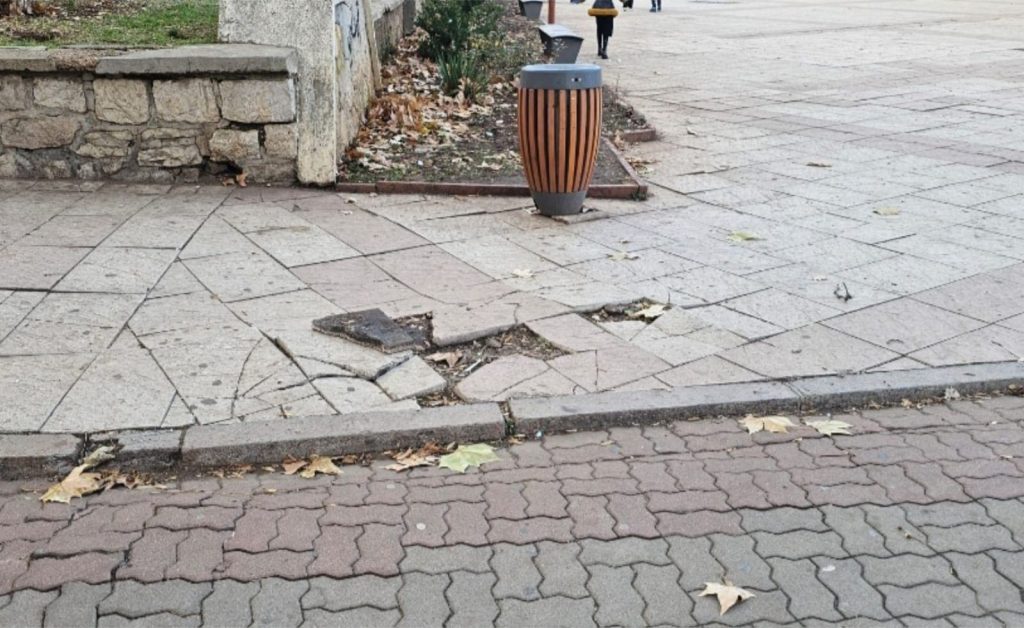
In the city center, parasitic plants spread randomly, in a scene that does not befit a city that is supposed to be a model of cleanliness and care for the urban area. Roads and sidewalks have lost their luster, and floors have been cracked for years, most notably a ground fissure in the city center dating back to 2007, the date of its construction, without any radical repair process touching it to this day, despite its obvious danger to the safety of passersby. The matter does not stop at this point, as a shocking paradox is recorded at the level of Lake Dayet Aoua, which is supposed to be a natural and tourist outlet for the city. The lake is still almost empty of water, despite the heavy rainfall that the region witnessed, as well as the snow that covered the area during the past weeks, turning it into something like an abandoned hole, which offends the beauty of the city and raises legitimate technical and environmental questions. This deteriorated situation prompts local public opinion to question: Where is the fault? And who is responsible? Is it related to poor technical studies? Or is it a weak follow-up and monitoring? Or is the city a victim of projects implemented without respecting quality and sustainability standards? Many local actors are demanding the opening of a transparent investigation into these imbalances, especially those related to projects for which significant budgets have been allocated, without reflecting positively on the reality of the city. They also call for linking responsibility with accountability, and restoring Ifrane as an environmental and tourist city, not just a seasonal facade. Ifrane, which has always been presented as a model for urban development, today is in dire need of a real evaluation stop, before the deterioration of its infrastructure turns into a permanent stigma, which deprives it of its status and undermines the citizen's trust in local management.