HIBAPRESS
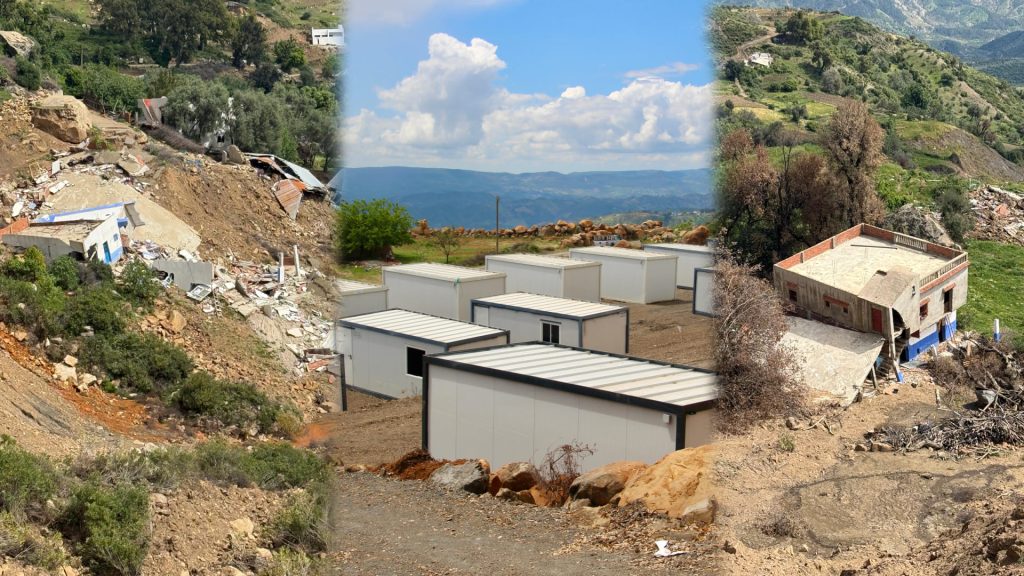
The city of Chefchaouen has witnessed a noticeable frequency of floods in recent months, due to heavy and repeated rainfall that suddenly raised water levels, leading to the inundation of a number of villages and residential neighborhoods, causing clear material damage and a state of constant anxiety among the population.
Dozens of homes, especially those close to natural waterways and slopes, have been subjected to repeated water leaks, which caused damage to household equipment and private property, in addition to recording varying damage to roads, infrastructure, and some public facilities.
This situation also led to the closure of a number of road routes on more than one occasion, as a result of the accumulation of mud and soil erosion, which complicated movement, especially in mountainous areas, and exacerbated the isolation of some residential settlements.
On a human level, families were forced to evacuate their homes repeatedly to avoid risks, while others lived in anticipation with each new wave of rain, fearing a repeat of the same scenario.
In contrast, the interventions of the local authorities and elements of the Civil Protection continued throughout this period, and included water drainage operations, removal of mud, and reopening of damaged routes, in addition to providing initial support to the affected families.
This stage also witnessed a strong presence of solidarity initiatives, as volunteers and civil society activists participated in helping the affected families, by cleaning homes and providing basic needs, in an expression of remarkable social cohesion.
These repeated floods have brought to the forefront the issue of the fragility of infrastructure in mountainous areas, and its ability to withstand climate fluctuations, in light of increasing calls to adopt proactive solutions, including the development of rainwater drainage networks, improving urban planning, and tightening building control in threatened areas.
Despite the succession of these events and the losses they have caused, the bet remains on the concerted efforts of various actors to reduce their effects, and enhance the ability of the affected areas to face such phenomena in the future.