HIBAPRESS
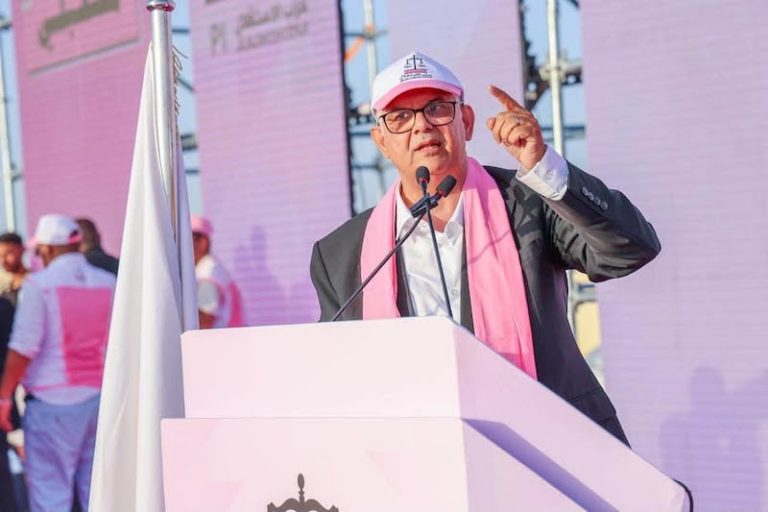
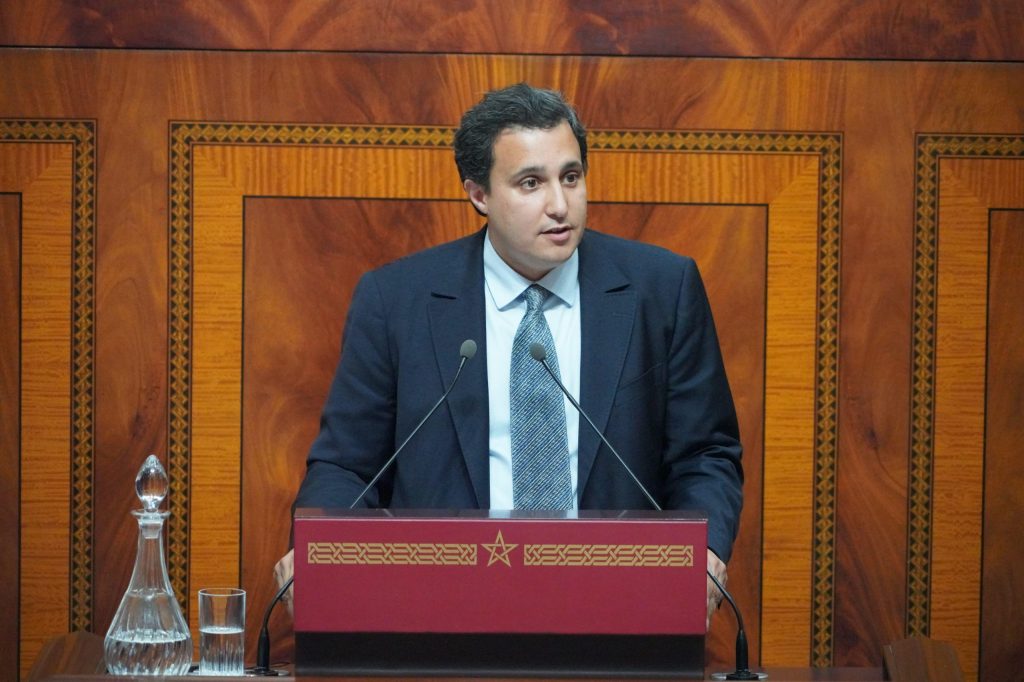
Yassine Oukacha, head of the National Rally of Independents group in the House of Representatives, said that political courage and administrative responsibility require recognizing that the regional experience, after more than ten years of practice, despite its gains, has encountered some shortcomings and constraints that have limited the ambitions of achieving constitutional objectives in line with the enlightened royal vision.
He highlighted in his speech during the discussion of draft organic law No. 031.26, amending and modifying organic law 111.14 related to the regions, in the House of Representatives yesterday, Monday, that this project aims to redistribute territorial authority and spatial wealth fairly and equitably between the center and the regions on the one hand and between the regions themselves on the other hand, clarifying that these amendments are based on overcoming the sterility of implementation through the establishment of the "Regional Company for Project Implementation", which gives the region the flexibility of the private sector while adhering to public governance. Yassine Oukacha stressed the importance of bridging the funding gap by raising financial transfers to 12 billion dirhams, in response to demands for actual financial independence. In his speech about the role of the elected official, the speaker explained that this legal text does not aim to restrict elected officials or reduce their constitutional powers, but on the contrary, as the imposition of precise procedures in financial and contractual management is a legal protection for the elected official before being a restriction on him, because it prevents him from falling into administrative errors that may amount to legal violations. He considered that any narrative that tends towards intimidation from the project aims to obstruct the regional path that the Kingdom is betting on, noting that this law makes advanced regionalism a locomotive for investment and nurseries for preparing rising political elites who possess executive tools and political realism. The same head of the parliamentary group concluded that this project cuts with the era of the two-speed Morocco, and inaugurates the entry into an era that establishes spatial justice and spatial fairness, because it provides many guarantees that would transform the region into the first intervener and guarantor of economic empowerment for youth, women, and all social groups at the territorial level, and for building social policies tailored to the real needs of each region.