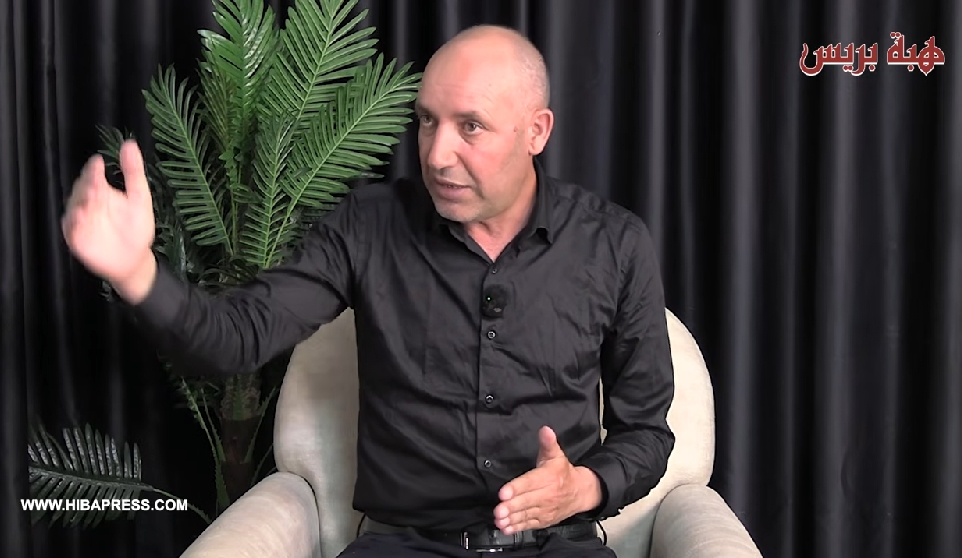
HIBAPRESS – Ahmed Sabbar
In a heated political episode of the podcast "Hiba with Ahmed Sabbar", Dr. Rachid L made strong statements that sparked much discussion about the reality of collective management in Morocco, the limits of democratic practice within elected councils, and the future of political competencies before the 2026 elections.
The episode turned into a bold political space to dissect the defects of collective work, and reveal what the guest described as the real crisis experienced by some elected institutions, due to the dominance of narrow political calculations over the logic of development and competence.
Dr. Rachid L stressed that a number of territorial communities have begun to experience the impact of power struggles and settling scores, instead of focusing on the priorities of the citizen, considering that the local scene is in need of a new political spirit that restores respect for the competencies and frameworks capable of providing real added value.
Speaking about the opposition within the elected councils, the speaker stressed that the role of the opposition should not be understood as obstructing projects, but as a constitutional mechanism for oversight, balance and protection of public funds, pointing out that a number of opposition elected officials face, at times, various forms of marginalization and harassment because of their political positions.
The discussion also raised the issue of the reluctance of competencies and frameworks to enter political work, where he considered that the dominance of electoral money and narrow party conflicts have pushed many frameworks to stay away from public affairs, despite the country's need for qualified political elites capable of keeping pace with the developmental and institutional transformations that Morocco is experiencing.
The episode was not without direct political messages, especially when the guest confirmed that the real bet during the next phase should be on rebuilding trust between the citizen and the elected institutions, by enshrining transparency, linking responsibility to accountability, and opening the field to youth and competencies.
During the quick questions segment, Dr. Rachid L described the local political scene as a pivotal stage, which needs boldness in reform and a real political will to save the image of collective work from losing credibility.
The episode has sparked wide interaction on social media platforms, especially due to the direct and bold presentation of many sensitive files related to local management, the future of political elites, and the escalating conflict within a number of territorial communities before the upcoming elections.
Details of this interview can be found at the link below:
https://youtu.be/ZjyiHVFacNk?si=nmQ8kAX7Wge14pW7