HIBAPRESS-RABAT
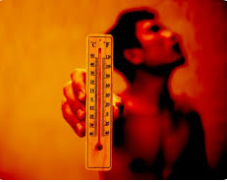
In heatstroke, the body overheats. It can no longer regulate heat. The risk of suffering from heatstroke increases when external temperatures exceed 33 °C, when wearing warm clothing, with physical exertion outdoors and when not drinking enough. The same applies to fever or lack of accustomance to heat when temperatures rise suddenly, or when travelling to hot climates. Since the regulation of body temperature is impaired, sweat formation is slowed down. As a result, it can no longer cool the body by evaporation, resulting in heat accumulation. From then on, the body temperature rises constantly. From a core body temperature of 42 °C, many enzymes made of proteins lose their function and multiple organ failure can occur.
Heat also increases the oxygen consumption of cells, the heart beats faster and breathing accelerates. In addition, blood vessels dilate, which conducts more heat to the surface of the skin. This results in a drop in blood pressure, which in extreme cases can lead to circulatory collapse.
Generally speaking, you should avoid overheating your body by avoiding exposure to excessive temperatures. Here’s how to best prevent heat stroke:
-Avoid exposure to direct and intense sunlight
-Wear loose and light clothing
-Move activities such as outdoor work or sports to early morning or late evening
– Sufficient consumption of fresh non-alcoholic beverages, such as mineral water, unsweetened teas or fruit juices diluted in water. Opt for a diet with a high liquid content: in particular, varieties of fruit and vegetables that are particularly rich in water are healthy and refreshing.