HIBAPRESS – Mohamed Zerouih
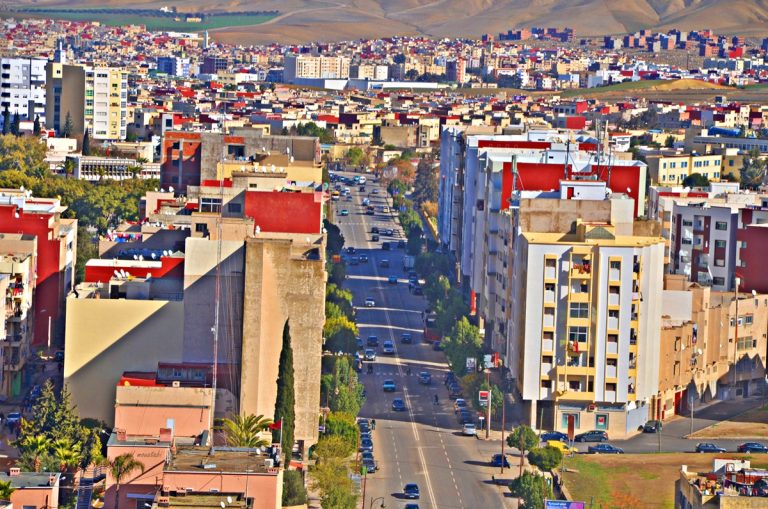
The city of Nador and its province are witnessing unprecedented political activity with the launch of the election campaign for the legislative elections of September 23, 2026. The Popular Movement party has entered this competition with a qualitative list that combines economic competencies and territorial representation.
This list, led by businessman Mohamed Boudo alongside Hassan Bourjel, comes to affirm the party's desire to present an elite capable of carrying the torch of change and effectively advocating for the province's issues within the legislative institution, armed with a clear developmental vision.
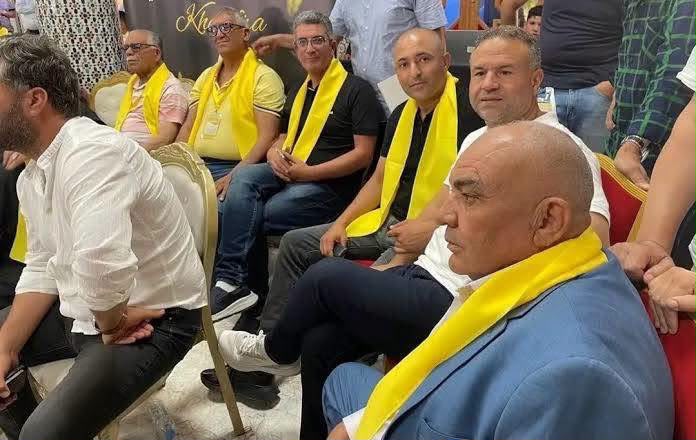
Prominent Nadori figure Suleiman Houliche holds a pivotal position in this electoral scene, relying on his great popularity and wide base in the city of Nador thanks to his distinguished political career and constant proximity to citizens.
Houliche's strong support for the regional list's candidate of the Popular Movement constitutes a strong and immense moral boost for the party in the region. This political commitment translates into a definite desire to unite efforts and leverage the significant popular support to serve the movement's electoral project, and to send strong messages confirming the influential presence of Houliche's current in the local electoral equation.
The strength of the Popular Movement's list is not limited to prominent figures only, but extends to an integrated composition that responds to the expectations of the residents. The nomination of Mohamed Boudo reflects a desire to leverage entrepreneurial experience and the ability to attract investments and support the local economic fabric, while the presence of Hassan Bourjel, son of Arkmam village and representative of the diaspora abroad, embodies a strong bridge connecting the province's issues with the aspirations of Moroccans worldwide in the fields of development, investment, and job creation for youth.
Amidst this intense competition, the Popular Movement is betting on presenting a realistic program and precise commitments, far from vague rhetoric, focusing its discussions on the real priorities of Nador, which are improving basic services, developing infrastructure, and enhancing the social and economic conditions of the residents.
This approach is based on direct field communication organized by the party's various candidates and their supporters, benefiting from the momentum created by popular support around the influential figures backing the list.
In conclusion, this electoral juncture sends a clear call to all voters in Nador to participate effectively and follow programs and proposals with a conscious critical eye, making competence, integrity, and the true ability for institutional advocacy the primary criteria for selection.
This dynamic, supported by key actors and the broad popularity enjoyed by influential personalities like Houliche and Boudo, aspires to open a new chapter of political work in Nador based on continuous listening, responsibility, and field effectiveness.