HIBAPRESS – Fez
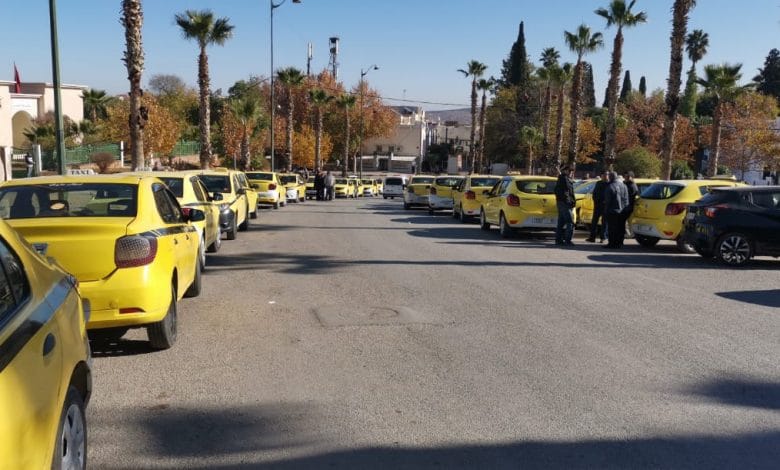
A number of citizens in the city of Sefrou expressed their dissatisfaction on Tuesday evening with the difficulty of finding small taxis, coinciding with the final hours of the election campaign for the legislative elections scheduled for September 23, 2026.
According to complaints circulating among several taxi users, the decrease in the availability of this type of transportation during the evening hours has caused difficulties for a segment of citizens wishing to travel between different neighborhoods of the city, especially in light of a number of taxis participating in election-related rallies.
Citizens questioned the legality of employing taxis licensed for urban transport in electoral activities, and the procedures in place to ensure the continuity of public transport services and not affect citizens' right to mobility, especially during peak hours.
In this context, a number of Sefrou residents are raising questions about the extent of intervention by local authorities to monitor the situation and ensure a minimum of available public transport, especially since taxis provide a service linked to the daily needs of citizens.
The affected parties also demand clarification of responsibilities in the event that the use of a number of taxis in election rallies is proven to have indeed led to a tangible decrease in supply, emphasizing the need to respect the rules governing the transport sector and not to harm citizens' interests under any circumstances.
The position of the provincial authorities and the relevant bodies regarding these complaints remains awaited, especially concerning the extent to which taxis adhere to their transport service commitments, and whether there are arrangements to ensure the continuity of this service during periods of electoral activities or gatherings.
This incident occurs on the last day of the election campaign, reopening the debate about the necessity of separating electoral activities from the continuity of essential services, ensuring citizens can conduct their daily lives and travel in normal conditions, away from any potential impact of political or electoral activities on public facilities and services.