HIBAPRESS – Khalil Fezazi
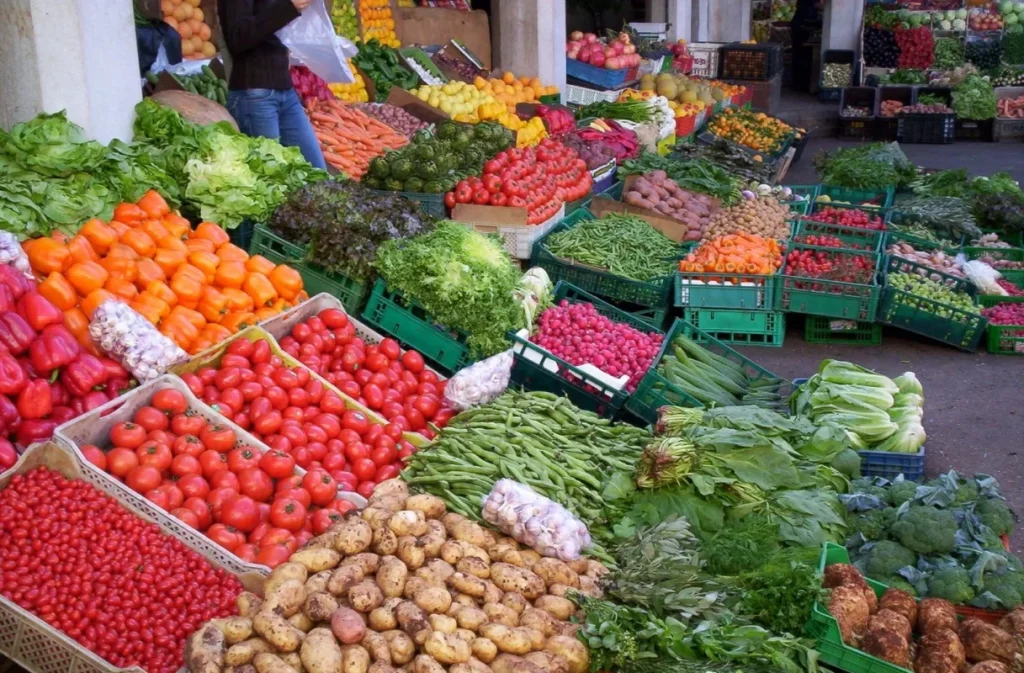
The residents of Laayoune city have found themselves facing additional difficulties in managing their daily food needs, following the closure of vegetable shops in several neighborhoods. This move has affected low-income families who were accustomed to purchasing their essential items from points of sale near their homes.
At the beginning of the day, a number of residents were surprised to find themselves unable to buy essential goods, such as onions and tomatoes, near their homes. This now forces them to search for alternative markets to meet their daily needs, even for small quantities not exceeding one kilogram of vegetables.
The repercussions of this situation are not limited to changing shopping locations; they also extend to the additional financial burdens borne by families, especially those keen on managing their daily expenses within limited means, given the multiplicity of living requirements.
For some citizens, the cost of traveling to and from an alternative market may exceed the price of the purchases themselves, as transportation expenses can reach five dirhams per trip, while the total cost can rise to 15 dirhams depending on the mode of transport and distance.
These expenses become an additional burden when the sole purpose of travel is to purchase a few essential vegetables, especially for families who have to shop daily. This makes the impact of the shop closures extend beyond the commercial aspect to affect the daily lives of citizens.
Between the necessity of organizing commercial activities and respecting applicable laws, and the demand to facilitate families' access to their daily needs, there arises a need for practical solutions that consider the specifics of social situations and reduce the additional burdens that citizens may bear.
The residents of the affected neighborhoods are awaiting clarifications regarding the reasons for the closure of these shops, as well as practical measures to ensure the availability of vegetables and essential goods in their residential areas, thereby alleviating the hardship and costs of travel.