


HIBAPRESS – Abdel Latif Baraka
The new governmental structure, emerging from the 2026 elections, raises questions about the future of alliances within territorial collectivities and regional councils, and the extent to which new political balances can rearrange their executive offices, which were formed following the 2021 elections based on different party calculations.
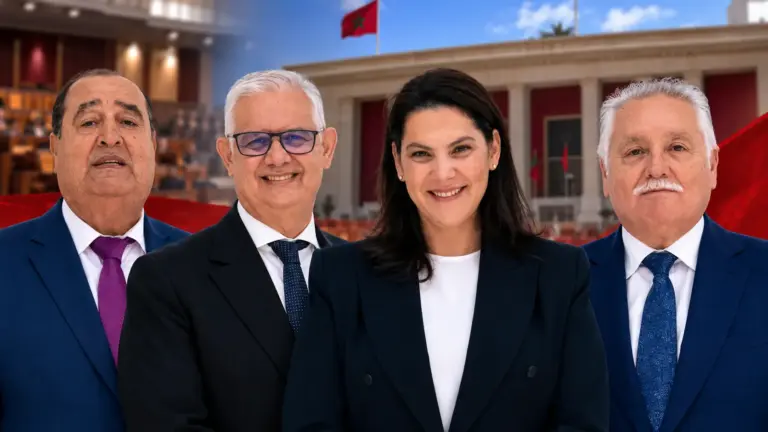
After the governmental alliances shifted to a new political formula including Authenticity and Modernity, Independence, Progress and Socialism, and the Socialist Union of Popular Forces, attention is turning to the extent of these changes' reflection on local alliances, especially in councils that brought together parties that are no longer part of the same governmental direction.
Although national developments may push some parties to review their positions, dismantling existing alliances is not inevitable, given the specificity of local calculations, numerical balances, and prior agreements between elected officials.
Regional councils and major urban communities appear to be most connected to these transformations, in light of the intersection of party interests with the management of development projects and the distribution of responsibilities. Between maintaining local stability and keeping pace with new governmental alignments, the real test for parties will be their ability to reconcile their national calculations with their territorial interests, as the upcoming communal and regional elections approach.


