

HIBAPRESS – A. Mahyaoui
With the approach of the 2026-2027 olive oil extraction season, the provincial authorities in Taounate are intensifying preventive measures aimed at mitigating the environmental damage caused by olive mill waste, locally known as "marj." This waste can lead to water pollution and degradation of soil and vegetation.
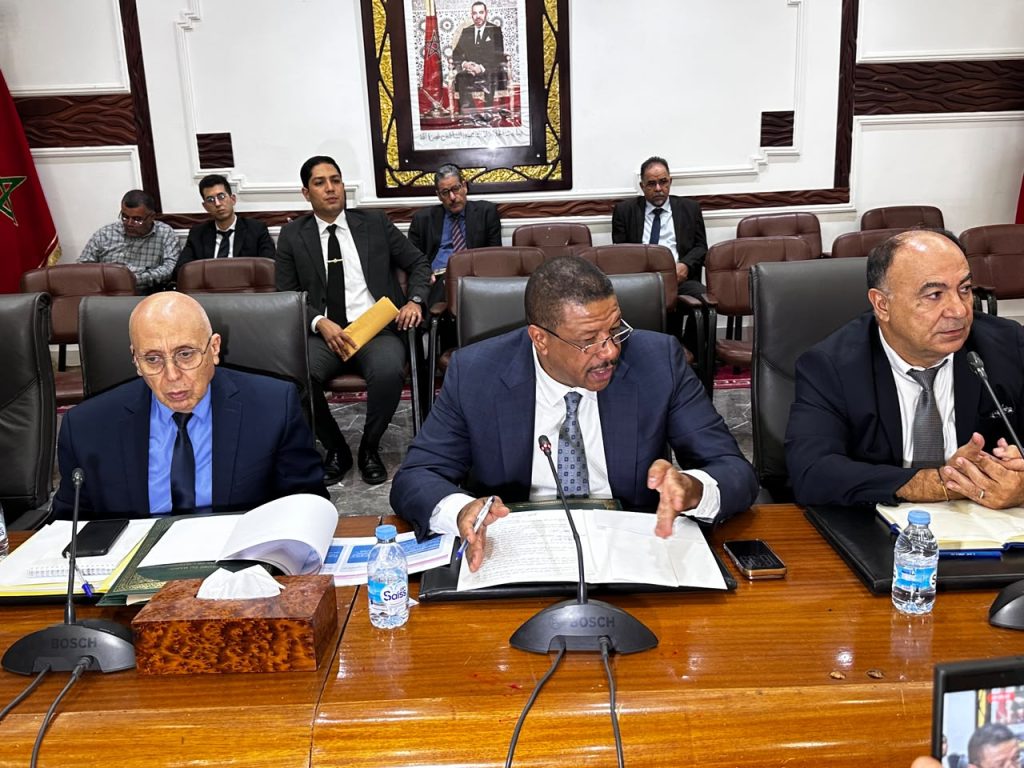
In this regard, the governor of Taounate province chaired an extensive communication meeting today, Wednesday, October 14, 2026, at the governorate headquarters. The meeting included security and administrative officials, local authorities, representatives of decentralized services, officials from the Sebou Basin Agency and the Fes-Meknes Regional Company for Multi-Services, agriculture departments, local council presidents, and representatives of olive mill owners in the province.
The meeting served as an opportunity to assess the environmental risks associated with managing olive mill waste and to review the measures to be taken to ensure the agricultural season begins in conditions that respect environmental standards and current laws.
Olive Mill Waste: An Environmental Challenge Requiring Collective Mobilization
During the meeting, two technical presentations were given. The first addressed the problem of "marj" pollution in Taounate province, while the second focused on efforts to combat pollution in the Sebou basin and protect its water resources.
In his guiding speech, the provincial governor emphasized the need for a proactive approach based on coordination among various stakeholders and raising awareness among mill owners about the importance of proper management of waste generated from olive oil extraction.
He noted that the province has over 82 modern and semi-modern olive mills, making "marj" management an environmental challenge that requires increased vigilance, especially given the practices of discharging this waste randomly and without treatment, which can harm soil, groundwater, riverbeds, and dams.
The provincial official, conversely, affirmed the economic and social importance of the olive sector, given its contribution to seasonal employment and stimulation of the local economy. He stressed that the development of this sector should go hand in hand with environmental protection and the preservation of natural resources.
Treatment Plants and Evaporation Ponds: Projects to Combat Pollution
In the context of reviewing adopted solutions, the discussion covered completed projects and planned programs to reduce the environmental impact of "marj." Two waste treatment plants have been operational since the 2023-2024 season in the communes of Ras El Oued, under the Tissa district, and Beni Snous, under the village of Mouhamed district.
It was also revealed that procedures are ongoing to establish a "marj" evaporation pond in the Taounate district, with the Fes-Meknes Regional Company for Multi-Services initiating the process of acquiring the land designated for this project in the commune of Bouhouda.
Meanwhile, the search for a suitable location to host a similar treatment plant in the Ghafsaï district continues, pending the completion of the necessary conditions for the project's implementation.
These projects are part of efforts to find practical solutions for managing olive mill waste and preventing its seepage into the natural environment, thereby contributing to the protection of water resources, which are a cornerstone of development in the province.
Intensified Monitoring and Threat of Legal Action
For his part, the director of the Sebou Basin Agency highlighted the importance of intensifying efforts to combat pollution from "marj." He emphasized the legal responsibilities associated with environmental violations and the need for sustainable solutions that ensure a balance between agricultural activity and the requirements of environmental conservation.
The participants also stressed the importance of continuing awareness and sensitization campaigns for mill owners. Representatives from this sector expressed their readiness to engage in measures aimed at respecting environmental regulations.
At the end of the meeting, the provincial governor issued a clear call to all concerned parties to comply with environmental regulations. He affirmed that public authorities will deal firmly with violations and take the necessary legal action against offenders.
This approach is particularly important for Taounate province, which hosts several vital dams and water facilities and contributes to supplying the population with drinking water and irrigation. This makes protecting its water resources a shared responsibility that extends beyond the agricultural season.
As the olive harvesting and pressing season approaches, the main challenge remains ensuring a transition from announced measures and programmed projects to effective field monitoring that guarantees the safe disposal of "marj" and prevents the recurrence of practices that threaten the environment and public health.