HIBAPRESS – Fikri Ouldali
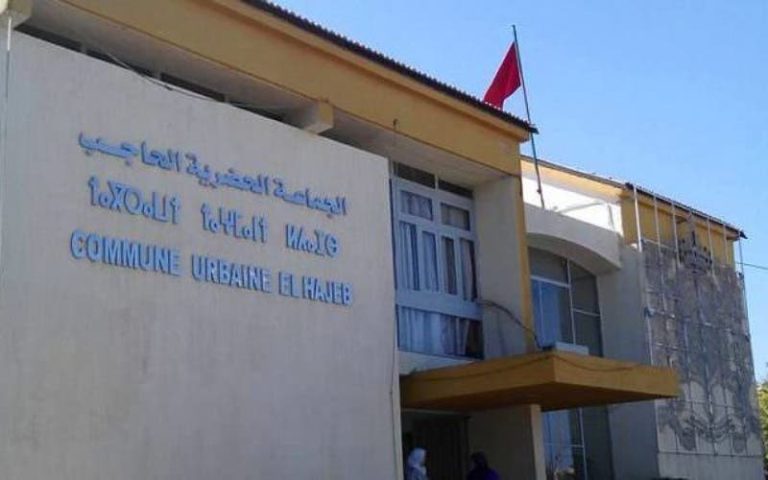
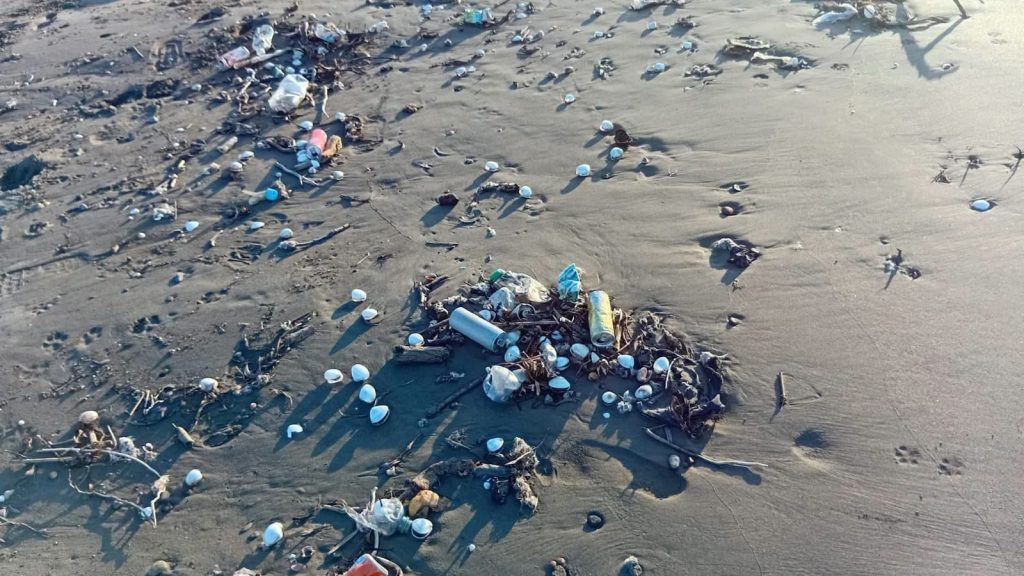
The environmental situation on "Arhach" beach, affiliated with the Tetouan commune in the Driouch province, has once again drawn the attention of a number of observers and local activists, after images circulating documented the accumulation of large quantities of waste on sections of the beach, a scene that raises questions about the level of care for the cleanliness of this coastal space and its protection from pollution.
The circulation of these images came after a post published by Professor Tariq Bouskout, accompanied by pictures documenting the spread of waste, in which he called for dealing with the cleanliness of the beach as a collective responsibility, given the importance of the coast as a natural facade for the region and one of its environmental and tourism components.
The phenomenon of waste accumulation does not seem to be linked solely to the remnants of the summer season, as locally circulating data indicates the existence of other factors contributing to the waste reaching the coastal strip, including the dumping of waste in some valleys and waterways that flow towards the sea, in addition to the random disposal of waste near coastal areas.
Marine currents also contribute, according to the same data, to transporting waste from other areas towards a number of beaches, in addition to the waste left by some bathers and seasonal commercial activity owners during the summer period.
This situation raises environmental concerns, especially with the spread of plastic waste which can pose a danger to the marine environment and living organisms, as well as its impact on the beauty of the beach and the image of the region, which possesses natural and coastal qualifications that can form a pillar for local development and sustainable tourism.
In light of this situation, the need arises to adopt continuous measures that are not limited to seasonal cleaning campaigns, by enhancing waste collection operations, providing containers in appropriate numbers and locations, and tightening monitoring of random dumping, in addition to intensifying awareness and sensitization campaigns on the importance of maintaining the cleanliness of beaches.
Coordination between the local municipality, the relevant departments for waste management and environmental protection, local authorities, and civil society organizations remains a key factor in curbing this phenomenon, ensuring the preservation of Arhach beach and other neighboring beaches as healthy and open natural spaces for residents and visitors.
Ultimately, the beach's condition raises a broader question about waste management and the protection of the coastal area throughout the year, considering that maintaining the cleanliness of beaches is a shared responsibility that requires the engagement of various stakeholders, including institutions, civil society, residents, visitors, and seasonal activity owners.