This article was automatically translated from HIBAPRESS, the Arabic version:
This article was automatically translated from HIBAPRESS, the Arabic version:
Heba Press – Abdel Latif Baraka
In recent years, the butchering profession in Morocco has faced an unprecedented crisis due to high prices of red meat, which has severely affected the ability of many butchers to continue their work.
Some were forced to close their stores, while others sought to find other sources of income besides butchery. This crisis, which seems profound, affects not only butchers but also Moroccans’ meat consumption patterns, reflecting market imbalances and a state of food instability.
– The high cost of meat affects consumers’ purchasing power
Red meat is no longer an essential commodity for many Moroccan families, but has become an almost forbidden luxury.
In butcher shops, consumers can see strange scenes that reflect the current situation: “20 dirhams of meat, and don’t spare a bone”. These comments are echoed by many women who come to buy as little meat as possible, while being careful not to pay more.
Meat prices have reached difficult levels for consumers, estimated between 120 dirhams for beef and 130 dirhams per kilo for goat, which has pushed many people to avoid buying red meat, except during exceptional periods, such as holidays and special occasions.
According to official data, the Moroccan individual consumes less than 12 kilograms of red meat per year, a figure very far from the rate set by the World Health Organization (50 grams per day per person).
This decrease in consumption not only reflects the difficult economic reality, but also indicates the problem of malnutrition that citizens suffer from, as animal proteins move away from the table of many families, thus endangering their health.
An increasingly complex professional crisis
High prices and austerity in consumption are only part of the suffering endured by butchers.
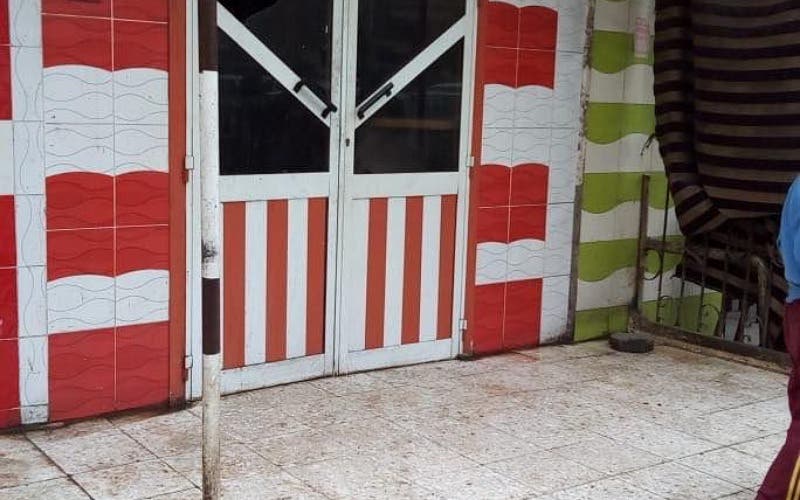
Many retailers have been forced to close their doors or significantly reduce their activities.
In most working-class neighborhoods, where butcheries were widespread thanks to the interest of citizens in purchasing meat while the prices of livestock were within the reach of professional butchers, the national herd then reached self-sufficiency, But the situation, according to A number of butchers said in a statement to “Heba Press” that it has become “impossible” now, as there is no longer a big demand for red meat.
One of the butchers said: “People don’t buy meat like they used to. » “Meat prices have become higher than they can afford, especially after the price per kilo reached 120 dirhams. »
Some of these people revealed to the newspaper that many butchers associated with the profession for decades, instead of closing their shops due to their emotional connection with the people and place, preferred to add side businesses to their shops, such as selling other products such as frozen products and other foodstuffs, to cover store costs.
But at the same time, they recognize that the situation does not bode well and many in the profession have been forced to close their stores due to the significant losses they have suffered.
Middlemen and high prices: the fault of the “long road” of meat
As for the markets, the problem of high prices is not limited to consumers alone, but extends to the butchers themselves. Professionals explain that one of the main reasons for high meat prices is due to the presence of many middlemen who increase prices unjustifiably.
“We buy cows at the market and we find ourselves forced to pay a higher price after they are exchanged between middlemen, which doubles the price,” explains a butcher who preferred to remain anonymous. He adds: “The final price for the consumer becomes higher due to these successive increases. »
In this context, professionals indicate that the price of a cow can increase by 3,000 dirhams through a series of mediations which begin at midnight, and price exchanges between brokers continue until the morning.
This leads to an increase in the price of meat of up to 15 dirhams per kilogram. These increases caused by intermediaries put prices beyond the reach of consumers.
Slaughterhouses: working conditions are deteriorating
The crisis facing the butchery sector goes beyond
Only the subject of prices must also include working conditions in slaughterhouses. The majority of slaughterhouses in Morocco do not meet the necessary conditions, and some of them are not even suitable to become stables, even if this situation has prompted the Ministry of Agriculture, under the supervision of the UNSA, to create modern slaughterhouses, most of which are still being completed, but in general, most slaughterhouses do not meet basic health standards. In Casablanca, for example, some consider slaughterhouses run by a foreign company to be inefficient, affecting productivity and meat quality.
“Modern slaughterhouses have not improved conditions as expected. On the contrary, meat productivity has decreased significantly compared to the past,” explains an employee of the municipal slaughterhouse.
Reports confirm that the slaughterhouse, which once produced up to 400 head of cows per day, now produces only 280 to 300.
In rural areas, things become more complicated, as slaughterhouses often operate in poor sanitary conditions. This situation affects not only the quality of the meat, but also the prices paid by citizens.
Solutions proposed to overcome the crisis
To overcome this crisis that threatens the butchery sector, professionals demand that the government intervene to further regulate the sector and reduce the number of intermediaries who drive up prices. They also highlight the need to improve working conditions in slaughterhouses and increase local meat productivity.
“The ministry should support local production and improve the situation in slaughterhouses to provide meat at reasonable prices,” adds one of the professionals.
At the same time, some believe that the solution lies in the development of local breeding and in reducing the use of intermediaries, thus making it possible to achieve a balance between supply and demand.
The butchery sector in Morocco, which is suffering from strong economic pressure, requires serious measures from all parties concerned, from the government to producers and traders, to provide sustainable solutions that alleviate the suffering of butchers and consumers.