This article was automatically translated from HIBAPRESS, the Arabic version:
Hibapress / MAP
Investments in railway infrastructure and improving the quality of services should reach 96 billion dirhams (MMDH) by 2030, indicated Tuesday in Rabat, the Minister of Transport and Logistics, Abdessamad Kayouh.
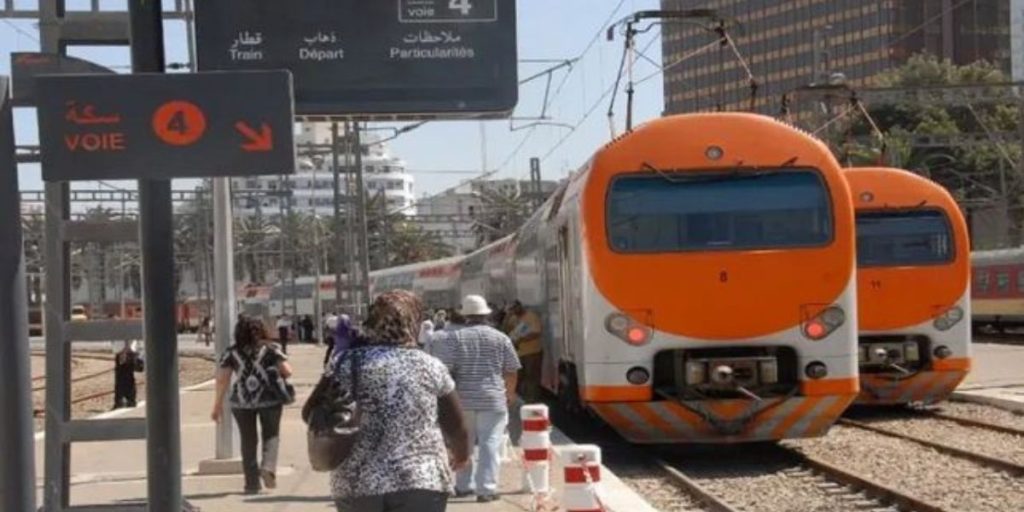
These investments include 53 billion dirhams for the construction of the high-speed rail line between Kenitra and Marrakech and the development of regional rail transport on the existing network, 29 billion dirhams for the acquisition of 18 high-speed trains and 150 trains. multiservices as well as 14 billion dirhams for the construction or rehabilitation of around forty stations and maintaining the efficiency of the national network, he said in a presentation presented during a meeting of the Committee on Infrastructure, Energy, Mines, Environment and Sustainable Development in the House of Representatives.
These projects are part of a broader development plan for the rail transport network in Morocco by 2040, which aims to connect 43 Moroccan cities compared to 23 currently, 87% of the population compared to 51% currently, 12 international airports and 12 ports by rail compared to one airport and six ports currently, in addition to the creation of 300,000 jobs, added the minister.
The rail connection with the Nador West Med Port is one of the conditions for the success of this major project, similar to Tanger Med, with an investment of 4.3 billion dirhams, indicated Mr. Kayouh, noting that the state of The progress of work on this project reached 17%, with the completion of detailed studies and the initiation of land acquisition procedures.
In addition, the minister stressed that the increase in the needs of the National Railway Office (ONCF) for wagons represents an opportunity to develop a railway industrial ecosystem which strengthens the independence of the Kingdom in the rail transport sector, noting the creation and start-up of a local train manufacturing unit, the development of a system of suppliers and subcontractors, the creation of a joint venture between the manufacturers and the ONCF to ensure the routine and industrial maintenance and guide the unit industrial production towards the development of exports to African and European markets.
Concerning the air transport sector, Mr. Kayouh specified that investments in airport expansion projects will reach 42 billion dirhams by 2030, as part of a vision of development of the sector based on the strengthening of the position of Casablanca airport as a gateway connecting Morocco to the world, the extension of the Royal Air Maroc fleet, supporting the rapid growth of air traffic through the modernization and extension of ‘A a number of large Moroccan airports in addition to strengthening domestic transport by supporting and encouraging the opening of new lines to open up remote areas.
In this regard, he mentioned a series of projects relating in particular to the development of Casablanca airport to increase its capacity to 44 million passengers per year, the construction of a new terminal at Rabat-Salé airport able to accommodate 4 million passengers per year in addition to the upgrade of other main airports such as Tangier, Marrakech, Fez, Tetouan and Agadir to increase their reception capacity.
Furthermore, Mr. Kayouh indicated that his department has launched a strategic study relating to the creation of a national commercial maritime fleet which responds to the strategic challenges linked to the contribution to the social and economic development of Morocco, through the promotion of competitive actors in favor of economic feasibility, as well as the strengthening of regional integration in West Africa-Atlantic-Sahel, and the consolidation of national sovereignty in the field of maritime transport.
In their interaction with the minister’s presentation, the members of the parliamentary committee praised the efforts made by the ministry in the implementation of programs and projects aimed at developing the transport sector in its various categories, particularly air transport , believing that these projects reflect the strong desire of the Executive to promote this sector and improve its performance capable of constituting a fundamental lever for economic, social and human development.
The parliamentarians also called for global and fundamental reforms of the transport ecosystem, particularly in legislative and organizational terms, with a view to meeting the requirements of the expected reform, promoting competitiveness and facing the challenges relating to the success of major sporting events planned in Morocco.
Also, they called for the railway interconnection of regions and provinces not included in the current railway network, with the aim of promoting the economic and social development of said regions in the service of spatial justice.
Likewise, they stressed the need to strengthen domestic flights, in particular those connecting the central provinces of the Kingdom to the southern provinces, as well as the rehabilitation of the airports of these provinces like the main airports.