This article was automatically translated from HIBAPRESS, the Arabic version:
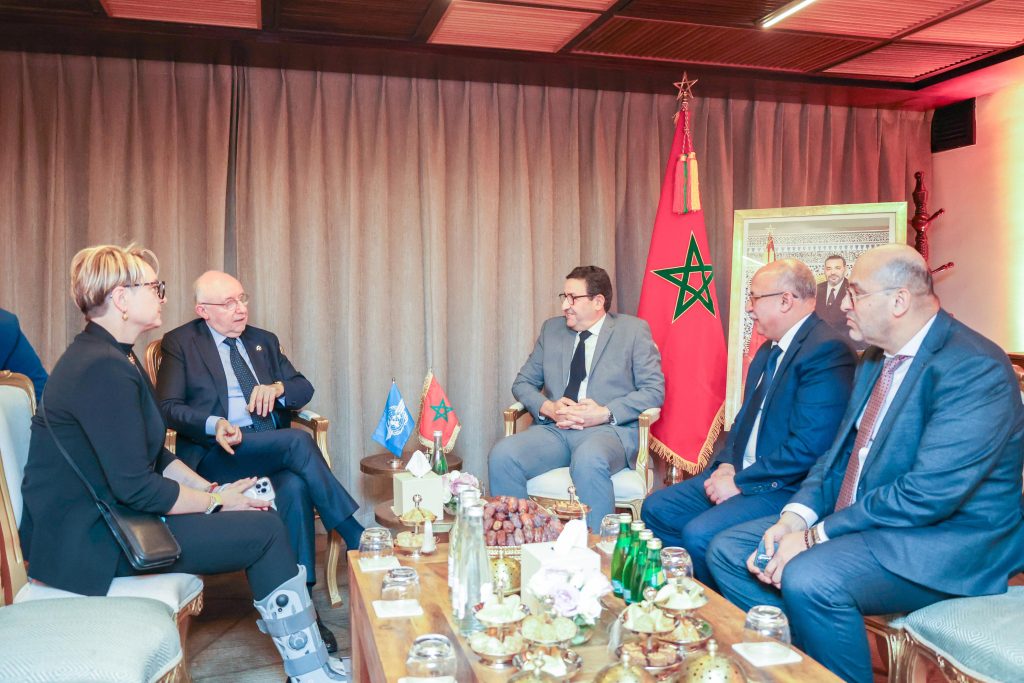
HIBAPRESS-RABAT-MTL The means capable of strengthening cooperation between Morocco and the Organization of International Civil Aviation (OCAI) were at the center of an interview, in Marrakech, between the Minister of Transport and Logistics, Mr. Abdessamad Kayouh, and the President of the OACI Council, Mr. Salvatore Sciacchitano.
This meeting, held on the eve of the 4th edition of the International Forum on Aviation Safety “SAFER SKIES”, made it possible to exchange views around the growing challenges faced by the global civil aviation sector and to explore the opportunities for bilateral cooperation to face it.
On this occasion, the two officials highlighted the importance of strengthening national capacities in the fields of safety and air security, emphasizing the need to continue efforts in terms of skills training and expertise sharing.
They also agreed to unite their efforts to organize future meetings and seminars, aimed at hoisting the level of air security in Morocco and consolidating the place of the kingdom as a manager and strategic partner within the international civil aviation system.
On this occasion, Mr. Sciacchitano said he was happy to represent the OACI as part of this fourth forum, which, according to him, “tackles crucial issues related to theft in conflict zones”, calling for “working together” to meet these challenges.
For his part, Mr. Kayouh stressed that more than 60 countries are taking part in this forum, to debate means to improve air transport security and harmonize the approaches to avoid conflict areas with all players in the sector.
This meeting, he said, constitutes an opportunity to assess the advances made since the 3rd edition, stating that concrete recommendations will be made to go to a “safer” and better controlled sky.
Sheltered by Morocco, the forum “Safer Skies”, which is held from April 08 to 10, will bring together OACI representatives, risk management experts and delegations from around the world to debate the means to protect civilian flights operating nearby or above conflict zones, and develop concerted solutions in the face of increasing challenges that armed conflict.