This article was automatically translated from HIBAPRESS, the Arabic version:
Hibapress
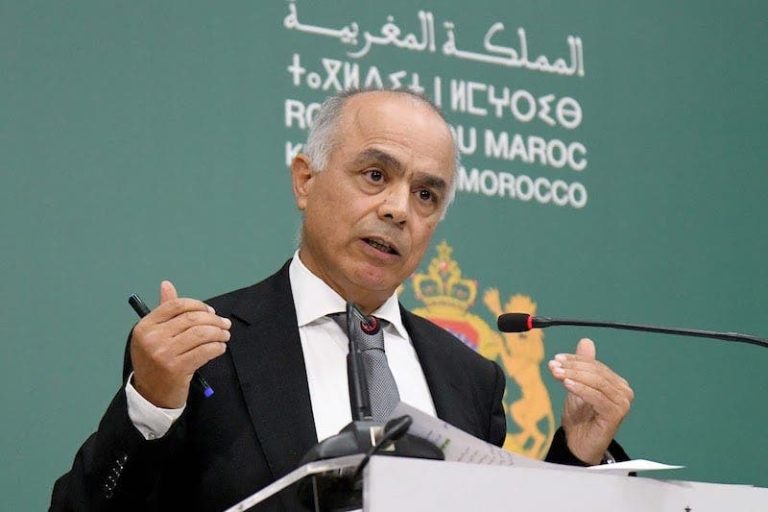
The development of the Moroccan national industry is largely based on the diversity of its productive sectors, said the Minister of Industry and Trade, Ryad Mezzour, during a thematic session held in Rabat.
This meeting was part of a national conference focused on public investment and employment policies.
According to Mezzour, sectors such as the food industry, automotive, aeronautics, chemical and pharmaceutical industries, as well as textiles and leather, play a structuring role in the anchoring of industry within the national economic fabric. He also highlighted Morocco’s high potential in new strategic sectors, including batteries for electric vehicles and green hydrogen, areas where the kingdom has major advantages to develop an integrated value chain.
The Minister recalled that the rise of Moroccan industry is part of a long -term national strategy, which has made it possible to lay the foundations for a solid industrial economy, while strengthening the country’s attractiveness for investors. This dynamic is reflected in a notable performance of industrial exports, multiplied by more than five since the 2000s to reach 398 billion dirhams in 2024, representing 88 % of total exports.
In parallel, foreign direct investments (FDI) in industry have tripled in ten years, reaching 16.5 billion dirhams in 2024. An development that reflects the growing confidence of international investors in Morocco as a regional industrial platform.
During this session, other experts shed their light. Bank Al-Maghrib’s Director of Economic Studies Mohamed Taamouti stressed that Morocco devotes almost 30 % of its GDP to investment, a rate higher than the world average. However, he insisted on the importance of a coherent macroeconomic framework and a favorable environment to convert this effort into sustainable growth and job creation.
Adil Hidane, director of studies and financial forecasts at the Ministry of Economy and Finance, recalled that investment – whether public, private, national or foreign – remains the central lever to produce wealth and ensure fair redistribution. He welcomed the advances recorded in recent years in terms of business climate, thanks to structural reforms adopted by the kingdom.
Finally, Javier Diaz Cassou, senior economist of the World Bank, highlighted the progress made by Morocco on the socio-economic level. He highlighted the competitive advantages of the country, in particular its geographic position, its political stability and the continuity of its public policies, which make it an increasingly coveted investment destination.