HIBAPRESS
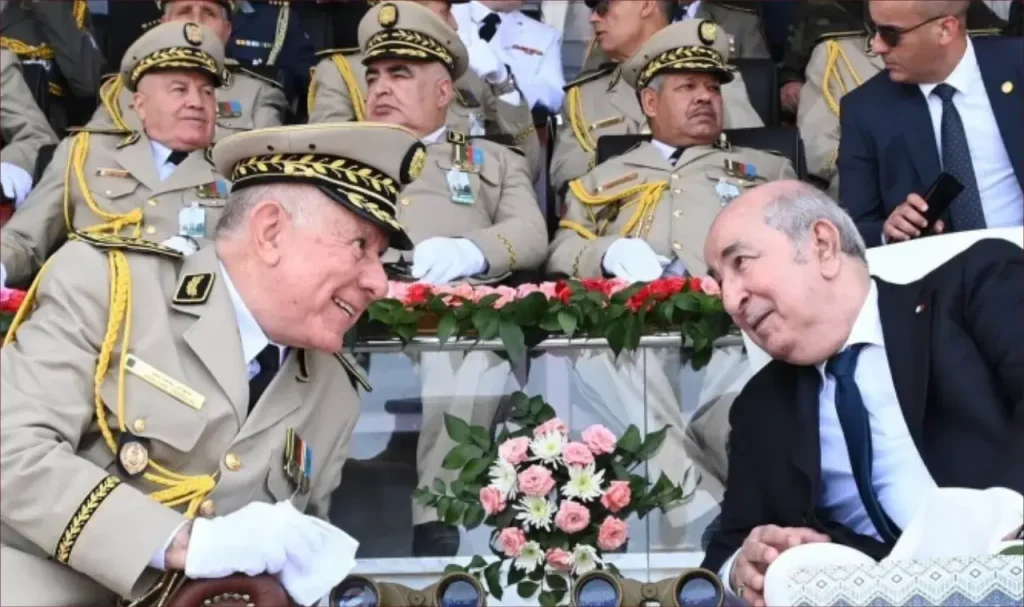
The Algerian regime has allocated the largest budget in the country's history for the year 2026, valued at $131 billion, with unprecedented figures allocated to the defense sector, at a time when economic experts insist on the necessity of directing resources towards addressing the severe social and economic crises and improving deteriorated basic services.
Wide Unemployment for Algerian Youth
Observers confirm that these huge funds allocated to this sector, amounting to $25 billion US dollars, could have been invested to address rising inflation and the prices of basic materials, enhance citizens' purchasing power, and improve infrastructure to attract foreign investments, in a country suffering from widespread youth unemployment that has driven thousands to emigrate.
Some experts consider Algerian military spending a heavy burden on the economy of the "Kabranat" state, as it will consume the country's wealth from oil and gas in what they describe as a regional "illusory arms race," instead of investing it in diversifying the economy and achieving sustainable development, in light of severe crises in water supply that sparked massive protests, such as the "Thirst Uprising" in Tiaret last year.
Other analysts criticize the adoption by the Algerian military regime authorities of a "war rhetoric" and the exaggeration of regional threats, such as the unstable situation in the Sahel, as a pretext to divert the public's attention from economic frustration and justify the continuation of this massive spending.
Wasting Money to Buy Obsolete Weapons
Despite Algeria's attempts to develop a local military industry, the largest part of the budget remains allocated to purchasing weapons from abroad, which maintains its dependence on foreign suppliers, amidst warnings that these weapons may become obsolete without being used, which means wasting huge public resources.
Algeria attempts to justify this military spending by saying it is a "strategic" decision, and comes to protect national security on the borders with the Sahel countries and confront terrorist threats, in addition to building a military industrial base to achieve self-sufficiency.
The Algerian economy remains almost entirely dependent on oil and gas revenues, which represent about 90 percent of foreign currency income, as the Algerian economy remains weak in the face of the major social and structural challenges facing the country.