HIBAPRESS
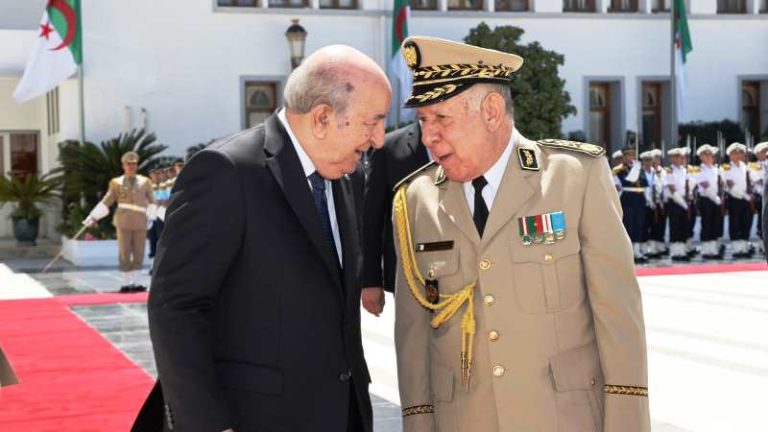
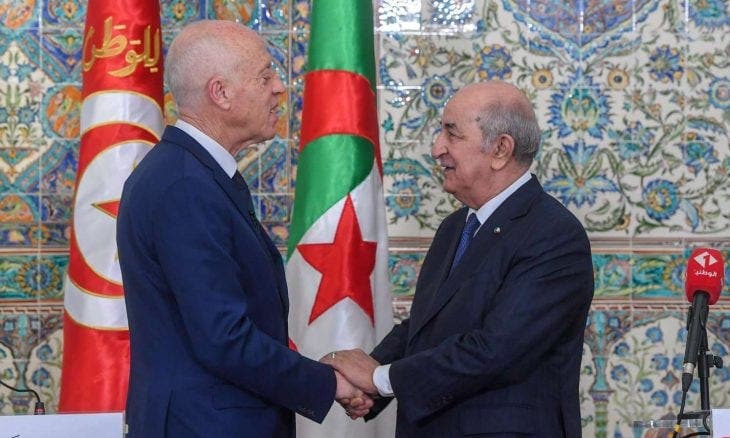
The American magazine "The Geopolitics," specializing in international affairs, confirmed that Algeria exerts extensive influence over Tunisia and treats it as a "subordinate province," used as a pressure card in its conflict with Morocco to obstruct any unified or stable Maghreb project.
The magazine, speaking in English, warned that the continuation of this Algerian influence would prevent the achievement of lasting peace in the region, considering that freeing Tunisian decision-making from Algerian hegemony is an essential condition for establishing a new regional structure based on the principle of "peace through prosperity." The report, published under the title "Contagious Peace and Strategic Prosperity in North Africa: Why Does It Start from Tunisia?", stated that the region's path since the 2011 Jasmine Revolution carried promises of economic reforms, democratic openness, and Maghreb integration, and Tunisia was then the benchmark democratic model capable of leading this transformation towards joint development and facilitating the movement of investment and trade. However, the magazine indicates that those hopes gradually declined during the last ten years, after Tunisia plunged into a suffocating economic crisis and its political freedom indicators declined, while diplomatic confusion increased in the state's orientations. "The Geopolitics" explains that the authoritarian shift of President Kais Saied pushed Tunisian foreign policy towards the Algerian axis, thus falling behind its traditional neutrality on the Sahara issue, especially after receiving the leader of "Polisario" Ibrahim Ghali and treating him as a "head of state" protocol. The magazine believes that this trend threatens the independence of Tunisian decision-making, reduces opportunities for growth and economic openness, and weakens the path of peace based on prosperity in North Africa, at a time when the region requires integration and cooperation, not more isolation and closure. The magazine holds the Algerian regime directly responsible for keeping Tunisia within its sphere of influence, describing it as a "rigid rentier regime" based on oil rent and hostility to Morocco as a primary source of its political legitimacy, and it has an interest in keeping Tunisia fragile and weak so that it does not become a reform model that could reflect on the Algerian interior. The report also pointed out that the Algerian army has tried, since 2011, to obstruct the Tunisian democratic experience and prevent any economic or diplomatic openness that might reshape regional power balances, stressing that Algeria views any Maghreb cooperative initiative with suspicion. In conclusion, the magazine recommended that the United States "liberate Tunisia from Algerian pressure" by supporting its security and geopolitical independence, by strengthening intelligent monitoring on its borders with Algeria and Libya, and providing it with drones, advanced border crossings, specialized units to combat smuggling, and modern intelligence training programs that respect national sovereignty and support stability.