HIBAPRESS – Ahmed Al-Musaed
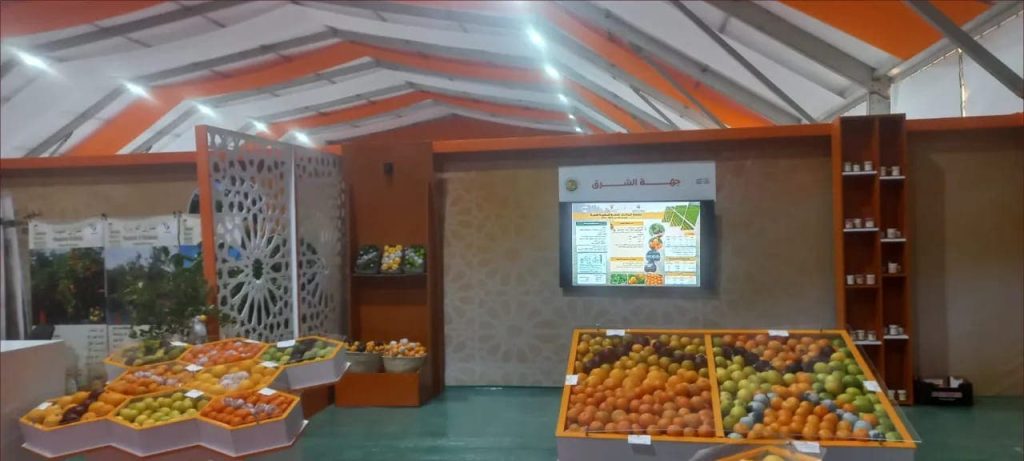
The citrus chain in the Moulouya irrigation district continues to play a pivotal role within the agricultural system at both the regional and national levels, as it is a basic pillar in creating added value and achieving socio-economic balances. The indicators recorded for the 2025–2026 agricultural season reflect the strength of this sector and its ability to continue contributing to local development, despite climate changes and pressures related to water resource management.
According to statistics and figures from the Regional Directorate of Agriculture in the Oriental region, the citrus sector is one of the most important income-generating agricultural activities in the Moulouya irrigation area, as it provides more than 2 million workdays annually, making it a major source of employment and a lever to support the social economy. The total income from the chain is estimated at 900 million dirhams, while it contributes 30% of the general income of plant production within the irrigation district, which confirms its weight in the local economy.
Citrus cultivation also extends over a total area of 19,306 hectares, divided between 11,851 hectares for small citrus fruits (clementines and their derivatives), and 7,455 hectares for large citrus fruits. The productive area during the season reached a total of 19,094 hectares, with an expected production of 405,774 tons, including 240,760 tons of small citrus fruits, and 165,014 tons of large citrus fruits.
This cultivation represents 25% of the irrigated area in the region, and accounts for 50% of the total plantations, and it also relies 92% on the drip irrigation system, which reflects an advanced trend towards rationalizing water use and enhancing production efficiency.
The citrus chain in Moulouya also relies on a tight organizational system that includes citrus producers' associations, including 22 structured packing stations, and 24 equipped refrigeration units to secure the storage chain and maintain quality, through a regional committee that includes various actors from producers, exporters and professionals, who oversee coordination between production, marketing and export stages.
This organizational structure also contributes to improving the competitiveness of the sector and raising its ability to respond to the requirements of national and international markets, where the total production during the last season reached 419,823 tons, including 246,994 tons of small citrus fruits and 172,829 tons of large citrus fruits. As for the volume of exports, it reached 42,017 tons, compared to 40,920 tons during the 2023–2024 season, distributed over 41,424 tons of clementines, and 593 tons of oranges. It should be recalled that 80% of the production was directed to the national market, which reflects the continued strong local demand for these products.
Thus, the harvesting process for this agricultural season began on October 15, 2025, followed immediately by export operations that officially began on November 24, 2025, in compliance with the technical schedule that ensures the quality of the product and its compliance with the required international standards.
Finally, the data for the 2025–2026 agricultural season confirms that the citrus chain in the Moulouya irrigation district remains a strategic sector par excellence, thanks to its strong contribution to employment, production and export. The technical and organizational development that the chain is witnessing also reflects the region's ability to consolidate its position among the most important citrus production basins in the Kingdom, and to continue to enhance the competitiveness of national agriculture at the international level.