HIBAPRESS – Abdellatif Baraka
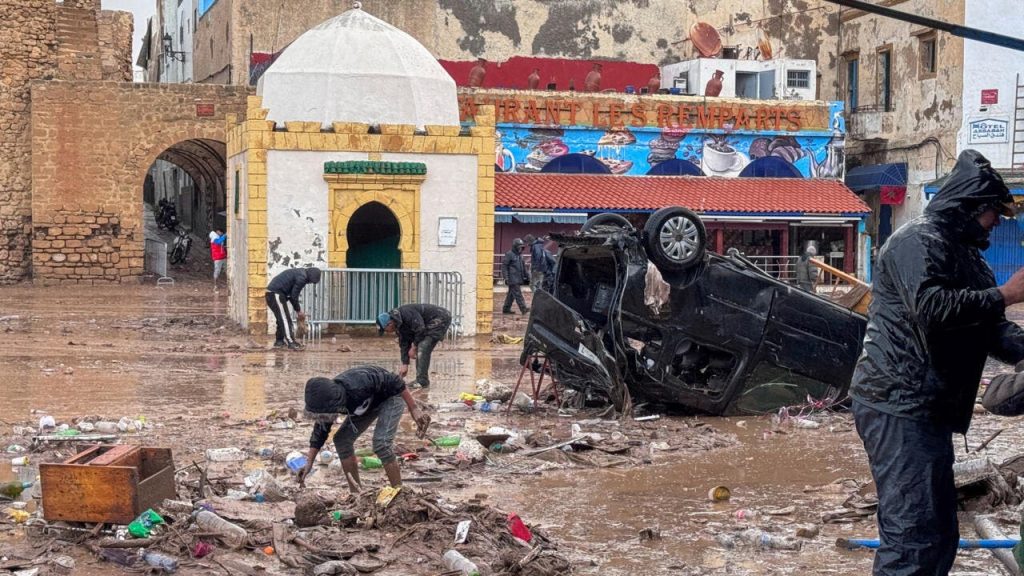
The tragic floods that struck the city of Safi have strongly renewed the debate on the extent of the activation of social protection mechanisms in the face of natural disasters, especially the Solidarity Fund against Catastrophic Events, which was created to be a safety valve for the most vulnerable groups in such critical moments.
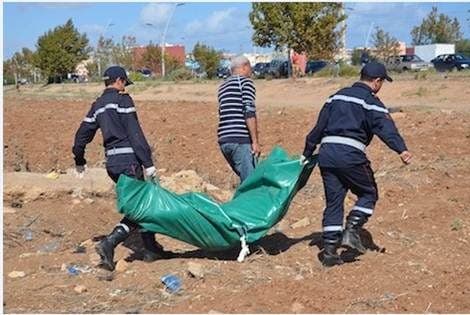
While the floods caused heavy human and material losses, a large number of those affected found themselves facing a central question: who will compensate for the damage? Here, the role of the fund emerges as a solidarity mechanism primarily aimed at uninsured people who are not covered by any insurance contracts, making them the most vulnerable to social and economic collapse after the disaster.
It is supposed, according to the organizing law, that the fund will intervene immediately after the official recognition of the catastrophic event, by disbursing financial aid to the victims and their families, whether it is related to the loss of lives or the damage to homes and properties. However, what raises controversy today is the gap between the existence of this fund on paper and the waiting of the affected for practical decisions that translate solidarity into tangible and rapid support.
Demands to declare Safi a disaster area are inseparable from this context, as this declaration is the legal entry point for activating the fund and opening the door to beneficiaries. Also, the delay in making a decision doubles the suffering of families who have lost their homes or their breadwinners and turns the natural disaster into a prolonged social crisis.
The Safi floods were not only a test of the infrastructure but also a real test of the effectiveness of the compensation and solidarity system. The Disaster Fund, which was created to alleviate the impact of major shocks, is required today to prove its presence as an instrument of fairness, not as a postponed title, especially in a time when disasters are recurring and their human cost is increasing.