HIBAPRESS – Yassin Al-Dhamiri
After the curtain fell on the African Cup of Nations, the question is no longer what Morocco has achieved, as that has become obvious to everyone who followed this exceptional edition, but what after CAN? And how can this unprecedented success be turned into a permanent asset that serves Morocco's interests in sports, organization, and diplomacy.
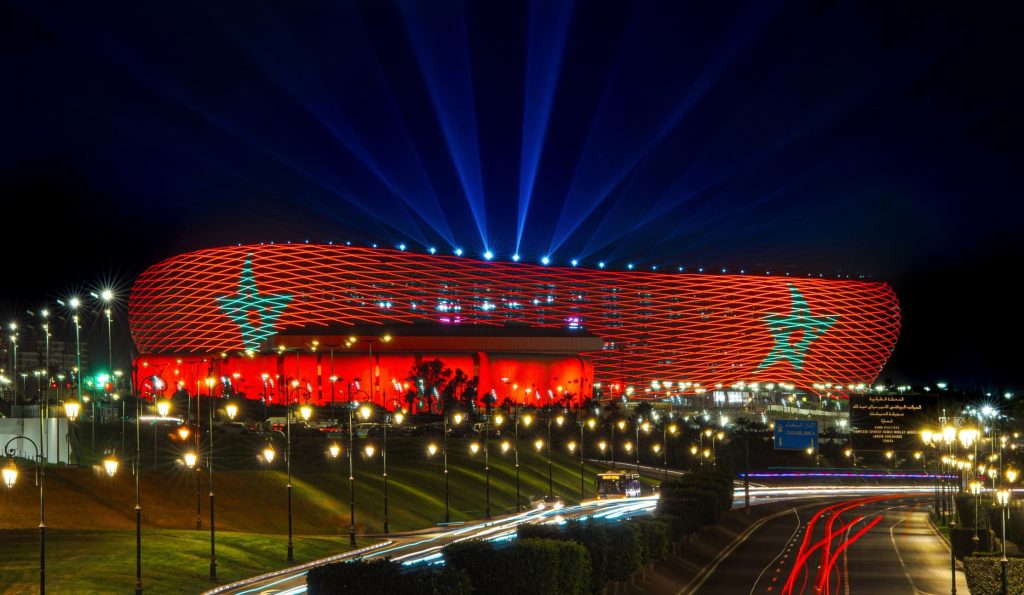
Morocco has given the African continent a version it did not dream of, a version that restored the image of African football and presented a global model in organization, according to the observers and actors, although some deliberately chose to ignore the truth, which turned out to be painful for them. What was achieved in the Moroccan CAN was not a coincidence or a stroke of luck, but the result of a clear vision, and a long-term investment in infrastructure, human capabilities, and the country's image as a country capable of shouldering major responsibilities. The stadiums, training centers, transportation, security, reception, and media, all the details were at the level of world events, and even surpassed previous versions organized outside and inside the continent, which makes this version a historical reference that cannot be skipped.
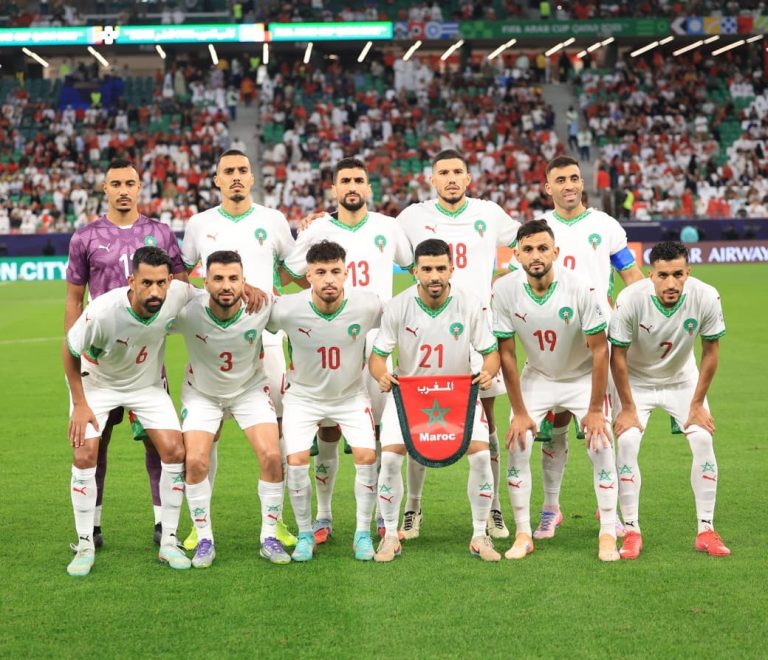
In terms of sports, Morocco has once again confirmed that it is a real force on the continent, not only with its national team, but with its football system as a whole. Organizing CAN at this level consolidates Morocco's position as a preferred destination for major events, and gives it greater legitimacy to host upcoming continental and global events. This gain must be invested wisely, not by just applauding and celebrating, but by turning it into sports influence within the African and international decision-making circles.
Organizationally, Morocco sent a clear message that Africa is capable of success when matters are assigned to those who deserve it. Morocco provided all the delegations with logistical and security capabilities and living conditions that they did not dream of in their countries, and harnessed huge capabilities to make the continental wedding a success, based on its belief in the unity of the continent and the right of its peoples to organize events that suit them, but it is unfortunate that this generosity was met by some parties with ingratitude instead of recognition.
Diplomatically, this version revealed another face of the continent, and made us clearly distinguish between the true friend and the hypocrite hiding behind the false slogans of brotherhood. Countries we believed, with good intentions, that their peoples are siblings and friends, the statements of some of their officials and media figures showed the exact opposite. Instead of thanking Morocco for what it has provided, they chose free criticism and deliberate belittling, as if Moroccan success has become a complex that is difficult to swallow. Delegations enjoyed all the conditions of comfort and safety, from luxurious accommodation, organized transportation, and tight security protection, came out to cast doubt, insult and allude, without shame or appreciation for the tremendous effort made. People were received by Morocco with generosity, and opened their doors to them, and provided them with what they did not and will not be available in their countries, they met that with offensive and irresponsible statements, thinking that things would pass without consequences.
But what after CAN is not like before. Morocco today is required more than ever to put each party in its natural place. The time of flattery is over, and the time of leniency with abuse under the cover of false African brotherhood has passed. Whoever wants a relationship based on mutual respect is welcome, and whoever chooses the path of hostility and belittling must bear the consequences of his choice. It has become clear, without a doubt, that some African parties, when given greater value than they deserve, suddenly think that they are above everyone, and that those who have contributed to raising their status must accept the insult in silence, and this is a big illusion. Morocco does not need the testimony of anyone, nor does it expect the applause of the ungrateful, as it knows its size and value, and knows that its success annoys more than it pleases. Investing in the success of the Moroccan CAN today passes through firmness in positions, defending the national image, and translating this organizational superiority into clear political and sports gains.
Morocco has offered Africa more than was required, and even more than it deserves, and the time has come to reap the fruits of that, with confidence and calm, but also with a firmness that does not accept interpretation, because nations that respect themselves do not allow anyone to belittle them, whatever the slogans raised.