HIBAPRESS – A. Mahyaoui
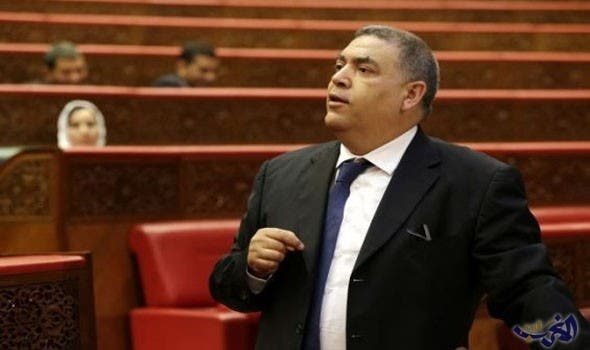
Amidst a wave of climatic fluctuations experienced by a number of mountainous and rural areas in Morocco, MP Mohamed Ouzine addressed a written question to the Minister of Equipment and Water, drawing attention to the social and humanitarian repercussions of heavy rainfall and snowfall, and the resulting recurring isolation of the population and acute difficulties in accessing basic services.
Ouzine noted that a number of villages in the Ifrane province, including Timahdit, Ain Louh, Oued Ifrane, Sidi Mkhfi, Dayat Aoua and Ben Smim, are experiencing a near-total paralysis in traffic during periods of snowfall, due to the limited fleet of snowplows and their weak readiness, despite the efforts made in the field. This, according to him, raises questions about the effectiveness of the intervention mechanisms adopted.
The parliamentary question was not limited to the Fez-Meknes region, but extended to include the worrying situation in the mountainous areas of the Al Haouz province, where the effects of the September earthquake are still strongly present, amid the continued suffering of thousands of families living in tents and temporary housing, facing doubled difficulties with the deterioration of the road networks due to rain and severe cold, which complicates the arrival of aid and essential supplies.
Ouzine considered that continuing to deal with these situations with a logic of circumstantial intervention is no longer sufficient, calling for a transition towards a proactive approach with a spatial dimension, capable of strengthening the mountainous road infrastructure and providing the necessary logistical support to the territorial communities, whose capabilities have been depleted due to years of drought and the costs of repeated isolation.
The MP concluded his question by demanding that the government reveal its emergency plan to secure the movement of the population during difficult climatic conditions, and to accelerate the rehabilitation of the damaged mountainous roads, in line with the royal directives calling for integrated territorial development, reducing spatial disparities, and ensuring the right to life and dignity for the population of the mountainous areas.