HIBAPRESS – Mohamed Zariouh
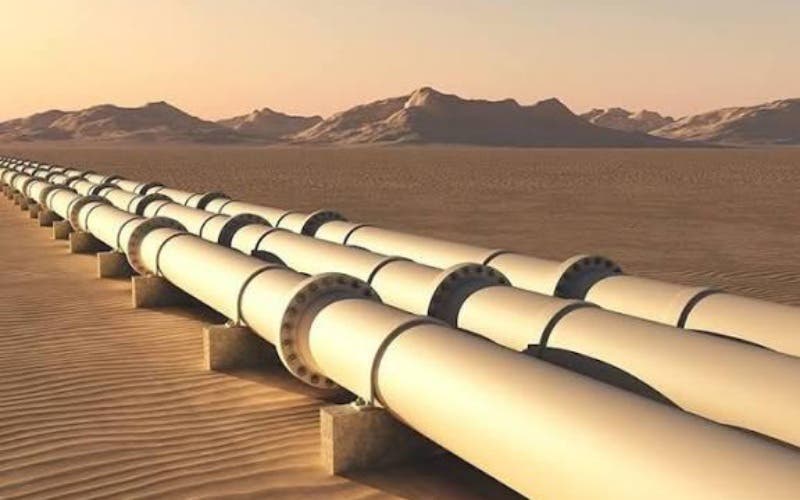
Morocco is steadily proceeding in securing its natural gas needs through the Maghreb-Europe gas pipeline, starting from Spain, based on a solid energy cooperation with Madrid, which has remained in place despite the review of some infrastructure projects in recent times.
This approach reflects a pragmatic approach that relies on continuity and ensuring energy security in a rapidly changing regional and international environment. Spanish media data indicates that the Kingdom topped the list of countries importing Spanish gas last year, with a share of about 35.5 percent of total exports, i.e. about 10,375 gigawatt-hours. This highlights the advanced position that Morocco now occupies within the energy supply system in the western Mediterranean, and enhances its presence as a key partner in regional energy equations. This energy resource is primarily used to produce electricity and support a number of industrial activities, within the framework of a vision that relies on natural gas as a link between the traditional system and the options for energy transition, in addition to continuous investment in renewable energies. This trend embodies the Kingdom's keenness to achieve a delicate balance between the requirements of economic growth and future environmental bets. In a parallel context, the Moroccan authorities continue to reassess infrastructure projects according to tight technical and financial considerations, in conjunction with the completion of major logistical workshops, most notably the "Nador West Mediterranean" port, which is a candidate to play a pivotal role in supporting maritime trade and regional supply chains. These moves come in light of a volatile energy scene, in which the countries of the region seek to diversify their sources and enhance the stability of their supplies to face the fluctuations of global markets.