HIBAPRESS – Sports
Less than four months before the start of the 2026 World Cup, Mexico faces a sensitive security challenge at a very important time, following a wave of violence that erupted in several states after the announcement of the killing of Nemesio Oseguera Cervantes, known as “El Mencho,” the leader of the Jalisco New Generation Cartel, during a military operation carried out by the army in the state of Jalisco.
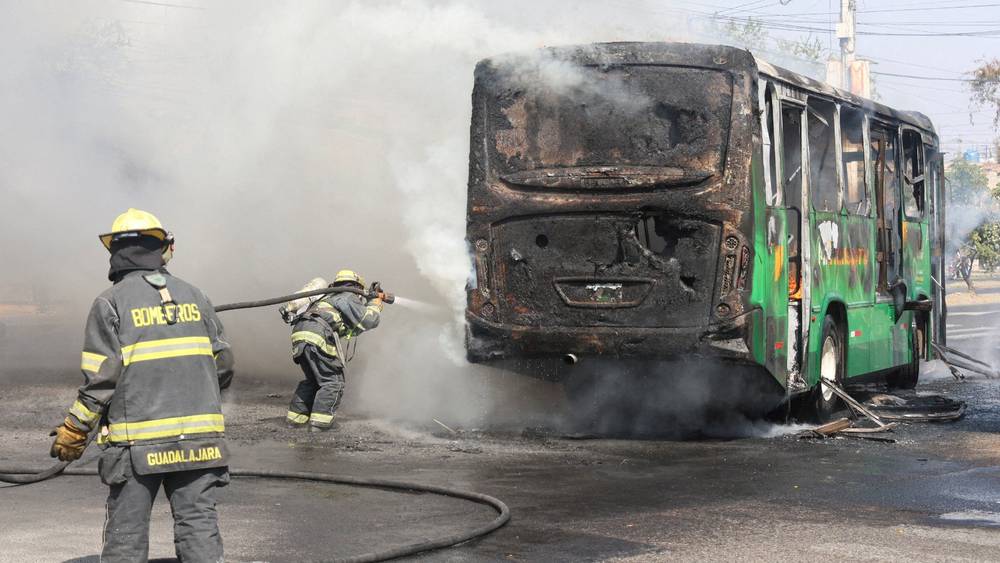
The security operation led to the outbreak of riots in a number of cities in the west of the country, most notably Guadalajara, where vehicles were set on fire and some vital roads were cut off, amid intense security deployment and the temporary suspension of transport services in some areas as a precautionary measure. "El Mencho" is considered one of the most wanted criminals in Mexico, and his name was associated with one of the most powerful criminal organizations in the country, which made the announcement of his death a pivotal security event that resulted in violent reactions in several areas. Foreign parties also hastened to issue warnings to their citizens, calling on them to exercise caution and avoid unnecessary travel in some of the states affected by the events. These developments take on added importance in light of Mexico's preparations to host part of the 2026 World Cup matches in partnership with the United States of America and Canada. Mexico City, Guadalajara, and Monterrey were selected as part of the host cities, which places the Mexican authorities before a great responsibility to enhance security and ensure the safety of the fans and participating teams. The 2026 World Cup represents a huge global event that is expected to attract hundreds of thousands of fans, which requires high-level security coordination and proactive plans to deal with any possible emergency. So far, no official comment has been issued by FIFA regarding the impact of these events on the tournament preparations. In contrast, the Mexican government confirms its continued implementation of its organizational and security plans according to the specified schedule, with an emphasis on the readiness of the competent authorities to secure the upcoming sporting event. In light of these data, eyes remain focused on Mexico's ability to contain the repercussions of the security escalation and ensure a successful and safe organization for the 2026 World Cup, reflecting a stable image of the country to the world.