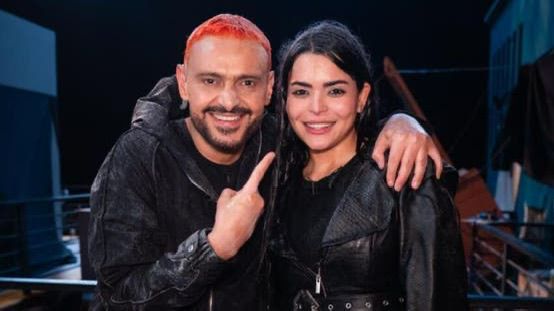
HIBAPRESS: The crisis surrounding the program "Ramez Level Al-Wahsh" is escalating as it enters the judicial corridors, with actress Asmaa Galal officially announcing legal action against the program host, Ramez Galal.
This step comes in response to what her legal office described as a violation of "red lines of dignity" in the introduction of her episode, stressing that the actress's consent to appear in an entertainment program based on the element of surprise and the usual pranks does not in any way mean acceptance of the phrases "bullying and body language" that were added during the editing phase without her knowledge, which the statement considered deliberate moral harm that completely goes beyond the scope of art and entertainment to enter the scope of direct personal abuse. In the context of the legal move, lawyer Nehad Abu Al-Qomsan began reviewing the content of the episode to match it with the texts of the Penal Code and the legislation regulating the media, stressing that the initial silence was not acceptance of the insult, but respect for the spirituality of the holy month. The legal side of the artist explained that freedom of creativity or artistic mockery does not grant the right to turn the guest into material for personal mockery that affects consideration and dignity, especially when it comes to physical or personal characteristics that have nothing to do with the nature of the prank, stressing that the judiciary will be the decisive factor in protecting literary and legal rights towards everyone who participated in publishing this offensive content. This escalation has caused a shock in the artistic community and social media platforms, as the incident has turned into a public opinion issue that has sparked a sharp division among followers. While artistic and media voices, such as the artist Randa Al-Buhairi and the media figure Mohamed Ali Kheir, criticized the presentation style, which they described as unacceptable, others believe that mockery is part of the program's historical identity. However, the crisis reaching the courts puts the makers of prank programs in a new moral and legal dilemma, which imposes a reconsideration of the "limits of what is permissible" and the extent to which the Ramadan media content adheres to human standards before artistic ones.