HIBAPRESS – A. Muhyawi
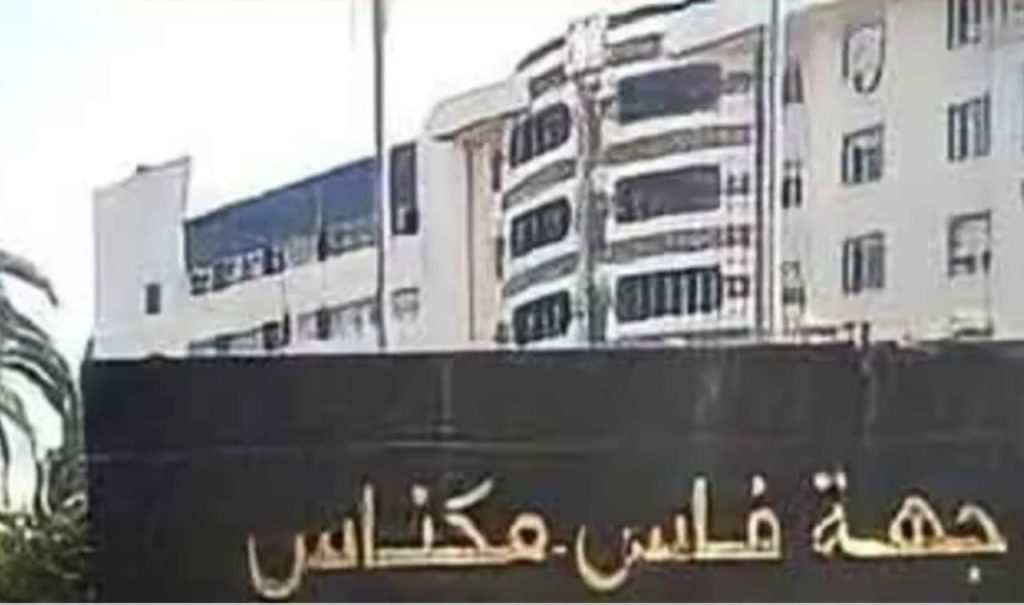
A number of actors and followers of local affairs in the Fez-Meknes region are raising questions about the pace of implementation of development projects in a number of prefectures and provinces of the region, in light of talk about a relative state of stagnation that has affected some projects in recent times.
Some observers link this slowdown to a transitional phase following administrative changes at the level of territorial officials, considering that the succession of officials may temporarily reflect on the dynamics of implementing projects, until the completion of follow-up operations and the reordering of priorities according to the new visions. In contrast, official data indicates that a number of development programs included in the region's plans are still under implementation or study, especially in the areas of infrastructure, support for investment, and the rehabilitation of urban and rural centers. Informed sources also confirm that the pace of projects is subject to several considerations, including administrative procedures, the mobilization of funding, and the coordination of stakeholders. Economic actors emphasize that moving the wheel of development requires strengthening the climate of confidence, accelerating the approval of projects, and encouraging private initiatives, in addition to ensuring the convergence of public policies between various sectors. Between those who speak of a phased recession and those who see that the matter relates to restructuring priorities, the basic bet remains to achieve a tangible impact on the level of employment and the improvement of services and basic structures, which positively reflects on the living of the population in the various prefectures and provinces of the region. The next stage remains a focus of anticipation, awaiting what the dynamics of the new officials will result in and the extent of their ability to accelerate the pace of projects and enhance the attractiveness of the region economically and developmentally.