HIBAPRESS – Yassine Dammiri
In one of the most complex intelligence and military operations in the history of the conflict between Israel and Iran, the details of the plan that led to the killing of Iranian Supreme Leader Ali Khamenei were revealed, according to CNN, citing Israeli officials and sources familiar with the operation.
The strike, carried out as part of a joint operation between the United States and Israel, was not a sudden event or an instantaneous decision, but rather the result of years of accumulated intelligence work, relying on extensive technical breaches and advanced data analysis systems powered by artificial intelligence.
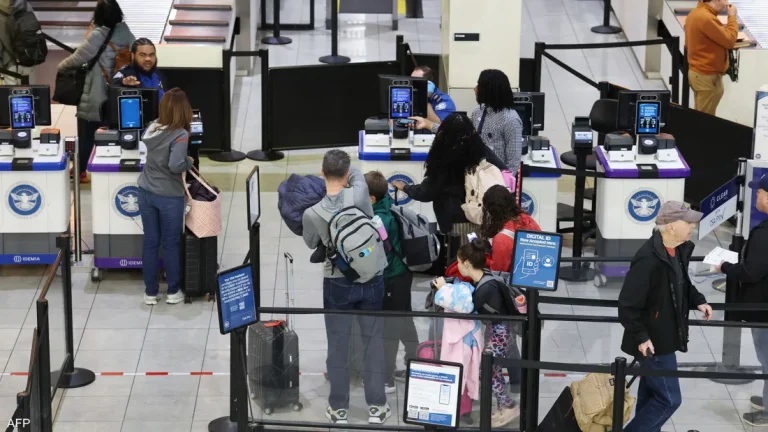
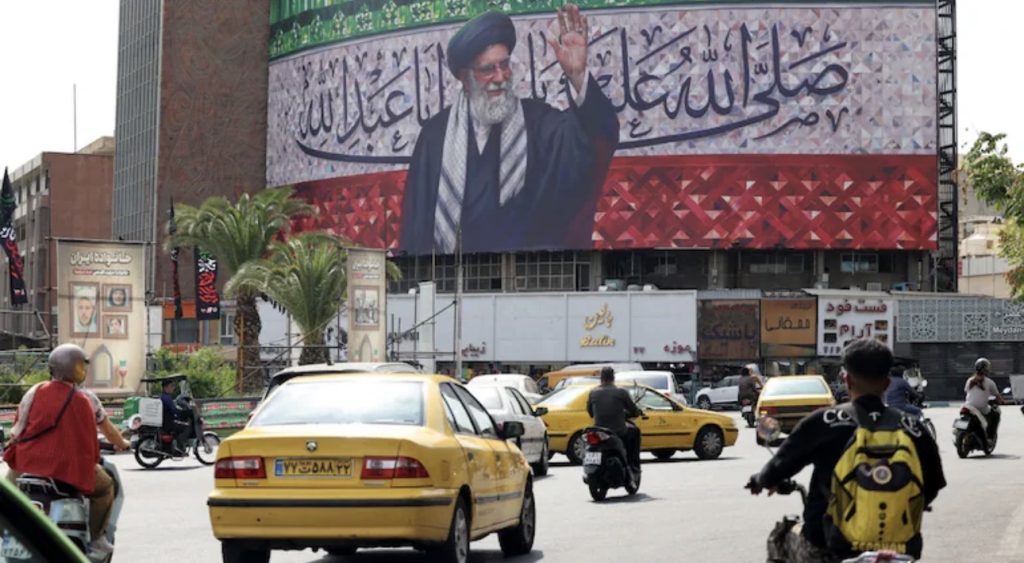
According to the controversial report published by CNN, traffic cameras spread throughout the streets of Tehran played a pivotal role in building an accurate picture of the movements of officials and sensitive facilities inside the Iranian capital.
An Israeli source in the same report indicated that these cameras had been breached years ago by a special unit working in Israel, which enabled the obtaining of live broadcasts and daily monitoring of movement patterns, which provided a huge database that was later used to accurately identify sensitive targets.
The breach of traffic surveillance cameras in the streets of Tehran allowed the tracking of everyone's movements, ordinary citizens and officials, especially on the main streets. The movements of a number of people who were targeted over the months were tracked, when they leave their homes, with whom, where they are going, when they return, who visits the places they go to, and so on.
The accurate monitoring of the breached traffic surveillance cameras over the months made it possible to identify the locations of secret meetings in which decision-makers in Iran met, and it changed from time to time, but the breach of the camera network allowed the special monitoring unit, according to the same report, to identify any "strange and exceptional" movement in another place, which increases the likelihood of organizing a specific meeting, so that its monitoring and analysis are doubled.
Visual data alone was not the basis of the operation, as it was integrated with human intelligence information, communications intercepts, satellite images, and multiple security data, within a sophisticated system capable of processing huge amounts of information and converting it into precise coordinates used to direct strikes.
The source described this system as a “target production machine” that relies on advanced algorithms that analyze data and extract precise patterns, before presenting the results to specialized human teams who perform the final review and decision-making.
The report indicated that this type of integration between technology and human decision-making has become a crucial element in modern wars, where the confrontation is not limited to traditional military force, but extends to cyberspace and the analysis of big data.
Although targeting Khamenei had been proposed for years, the opportunity was not available in the past due to the strict security measures surrounding him, but the day of the operation witnessed the availability of information indicating his presence at a specific location inside Tehran along with a number of senior military commanders, which was considered a rare opportunity to make the decision to implement.
The strike was followed by an official announcement from Iranian television of the Supreme Leader's death, using the expression "ascended to the rank of martyrdom," in reference to his killing in combat conditions.
The report also clarified that the operation was not purely Israeli, as the United States participated with intelligence and technical support, including monitoring and electronic jamming capabilities, and this came at a time when Washington was engaged in a stumbling negotiating path with Tehran regarding the nuclear file, amid a divergence in views between the American administration and the Israeli government regarding the feasibility of those negotiations.
According to what CNN reported, the Israeli leadership saw that the chances of reaching an acceptable agreement were limited, which strengthened the trend towards a decisive military option.
The assassination of a figure the size of the Supreme Leader and in the heart of Tehran does not represent merely a military operation, but a political event that may reshape the balance of power in the region. Iran has announced official mourning and vowed to respond, while levels of alert have risen in a number of regional countries.
Observers believe that what happened reflects a qualitative shift in the nature of modern conflicts, where technology, from cyber breaches to artificial intelligence, has become a central element in military decision-making.
In this context, the operation appears as a clear example of a new stage of wars, in which battles are managed via screens and algorithms as much as they are managed in traditional battlefields.