HIBAPRESS
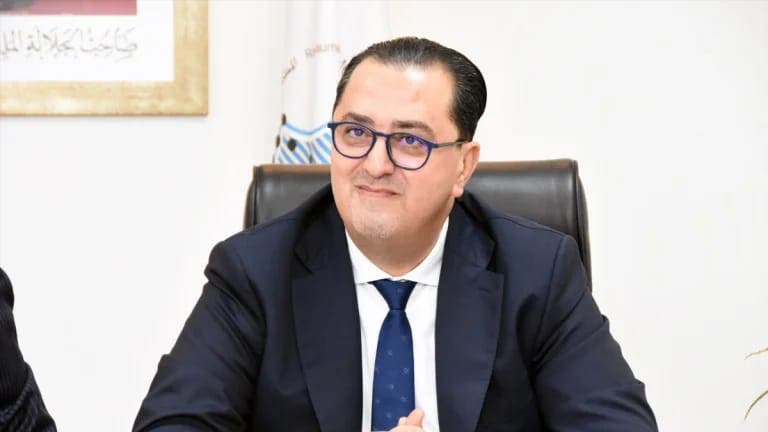
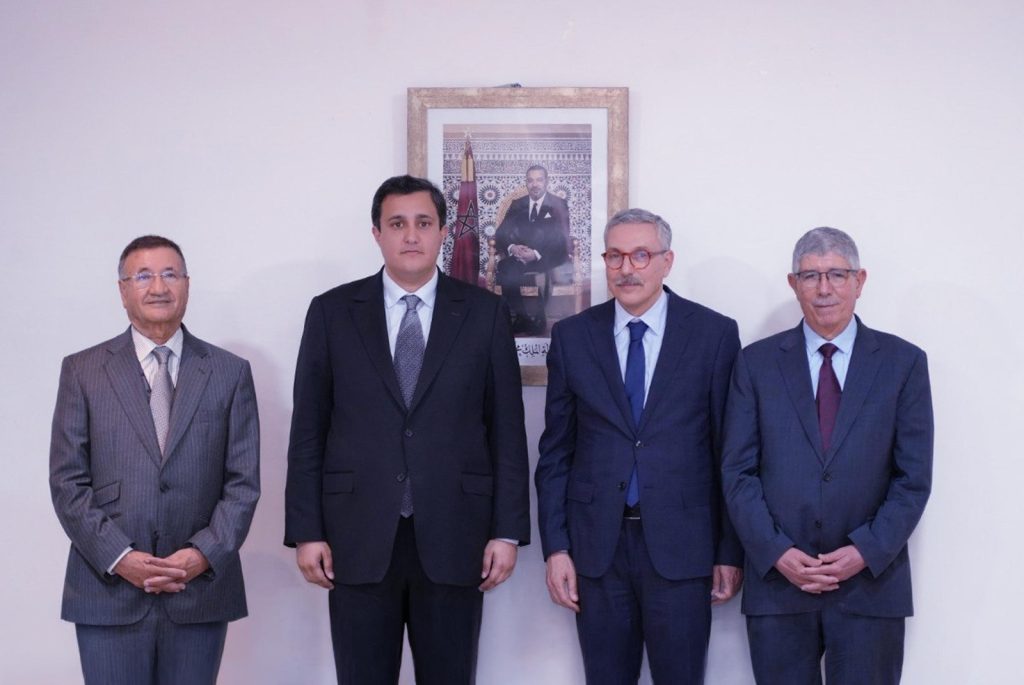
The parliamentary majority groups held their meeting today, Friday, in preparation for the start of the spring session of the fifth legislative year of the eleventh term, where it was decided to transfer the presidency of the parliamentary majority groups from MP Chawy Balasal, head of the Constitutional Democratic Social Group, to MP Yassine Akacha, head of the National Rally of Independents group, in a step that reflects the spirit of responsible rotation and consolidates institutional work within the majority.
This meeting was an important organizational and political station to enhance coordination between the components of the majority, and to consecrate convergence in parliamentary performance to ensure the optimal implementation of the majority charter and respond to the expectations of citizens. The presidency of the parliamentary majority groups renewed its commitment to defend the government's record, and to expand the circle of communication with national public opinion, in a way that enhances confidence in institutions and consolidates the democratic path of the Kingdom. The meeting also touched on the rapid developments in the Middle East region, and the political and economic repercussions it produces, especially in terms of the stability of a number of countries, supply chains and energy prices. The majority groups praised the balanced Moroccan position, and affirmed their support for all initiatives aimed at achieving peace and stopping conflicts. The components of the majority also praised the government's approach in facing these challenges, praising the measures taken to alleviate their effects on the national economy and the purchasing power of citizens, which reflects the strength of national choices. The majority groups affirmed their determination to continue political and parliamentary mobilization during the remainder of the legislative term, by accelerating the pace of reforms and ensuring the proper implementation of legal texts, in addition to continuing to evaluate public policies and discussing economic and social issues seriously within the legislative institution, expressing their pride in the legislative and supervisory record that has been achieved, especially in the areas of social protection, investment, justice and construction, considering that it has contributed to consolidating the foundations of the social state and promoting spatial justice.