HIBAPRESS – Mohammed Zerouih
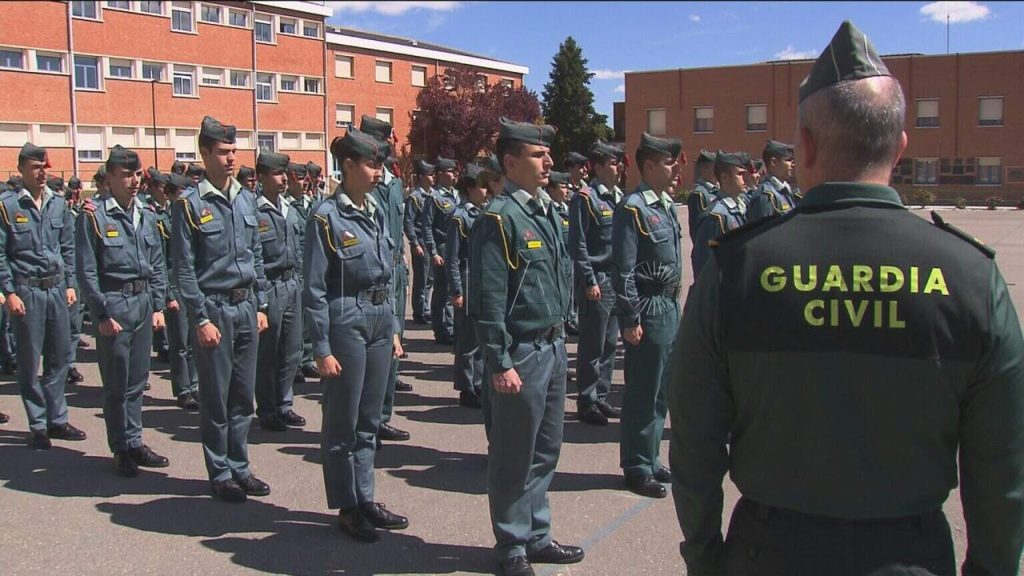
The meeting of the General Council of the Spanish Civil Guard, held yesterday, Wednesday, witnessed the withdrawal of the Unified Association of the Civil Guard (AUGC), in protest against what it described as the "disrespectful behavior" of the Director General of the agency, Mercedes González. The association accused her of continuing to ignore the professional demands of security personnel, especially regarding the organization of working hours, the adoption of a shift system, and achieving a balance between professional and family life.
The association explained, in a press statement, that the Director General had previously committed to the representatives of professional associations to make progress in these matters. However, the recent meeting, according to its statement, did not result in any concrete steps that meet the aspirations of the employees.
It considered that the failure to fulfill these commitments constitutes a disappointment for thousands of Civil Guard members, who are waiting for official promises to be transformed into practical measures to improve their working conditions.
The association affirmed that Civil Guard members deserve, at the very least, to benefit from the same professional and social improvements that apply to other public sector employees. It pointed out that the continued delay in reforms makes this agency, in its view, among the groups that have not sufficiently benefited from developments related to working conditions. It also stressed the need to enact measures that guarantee workers' rights and improve their professional and social situations.
In a related context, the association recalled the decision of the Spanish Ministry of Defense to approve a 35-hour work week for the armed forces, along with measures to improve work-life balance. It considered that this step highlights a disparity in responding to the demands between military personnel and Civil Guard members.
It linked the decision to withdraw from the meeting to the continued disregard for the demands of the employees, as well as what it described as the ambiguity and uncertainty surrounding the Director General of the agency.
This union escalation brings the issues of working hours, shifts, and work-life balance back to the forefront of the debate within the Spanish Civil Guard, at a time when the association emphasizes that the General Council was established primarily to improve the professional, economic, and social conditions of the institution's employees.
Through its withdrawal, the association seeks to express its rejection of what it considers a lack of actual response to the demands of the agency's members, calling for concrete decisions that go beyond promises and commitments.