HIBAPRESS – Fez
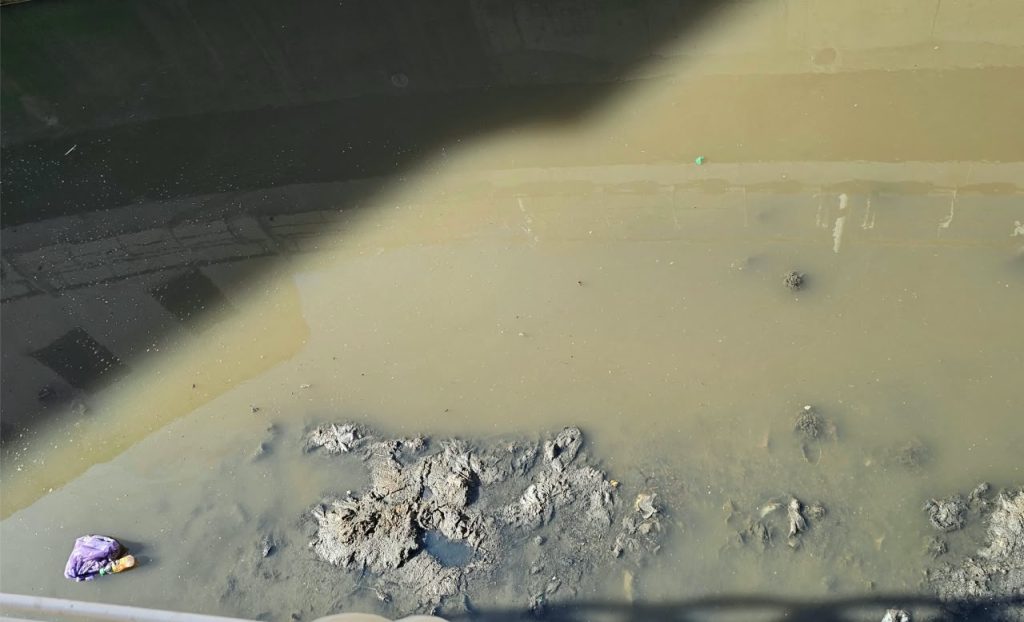
The environmental situation in Wadi Al-Jawaher, located in the heart of the old city of Fez, has returned to the forefront of attention, amidst discussions about the spread of foul odors and signs of decay, as well as the presence of suspected sewage water. This situation raises questions about the sustainability of the results of the rehabilitation project, which received great importance within the framework of caring for the old city and preserving its historical and civilizational heritage, as it is a royal project.
The current scene, as witnessed by "HIBAPRESS" on the ground, regarding the environmental situation of the valley, raises questions about the reasons for the return of these phenomena, especially in light of the significant funds allocated to rehabilitation projects and the expectations that residents have placed on these endeavors to improve the environmental surroundings and enhance the quality of life within one of the most prominent historical spaces in the scientific capital of the Kingdom.
The importance of Wadi Al-Jawaher is not limited to its geographical location, but is also linked to its historical value and its place within the urban fabric of the old city, which is classified as a World Heritage site. This makes preserving its cleanliness and environmental safety a responsibility that requires coordinating the efforts of various stakeholders, whether related to liquid sanitation, maintenance, or environmental monitoring.
In this context, the need arises to ascertain the actual reasons behind this situation, verify the sources of water that may be causing the foul odors and decay, identify the responsibilities related to maintenance and management, and take the necessary measures to address any imbalances, if proven, in a sustainable manner that prevents their recurrence.
This situation also poses a fundamental question about the post-completion phase of rehabilitation projects. The success of any project is not only measured by the volume of financial allocations or completed works, but also by the extent of the sustainability of its results and its ability to meet the needs of the population and preserve the environmental surroundings.
Given these facts, the residents of the area look forward to the intervention of the concerned authorities to inspect the situation on the ground, clarify the causes of the potential pollution, and announce the practical measures that will restore the prestige of Wadi Al-Jawaher, in line with Fez's historical and civilizational status.
The question remains: How can the gains of the rehabilitation project be preserved and the sustainability of its results ensured, if some manifestations of environmental degradation continue to cause concern to the residents and require treatment?