HIBAPRESS – Khalil Fezazi
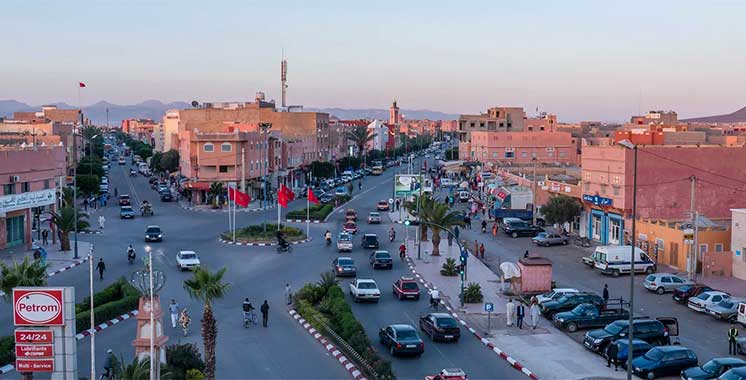
The urban boom and rapid spatial expansion that the city of Guelmim has witnessed in recent years pose significant challenges to the urban transport sector, foremost among them the suffocating crisis that the fleet of second-class taxis (small taxis) has come to experience.
In this context, the voices of the local population in various neighborhoods, especially new residential complexes and marginalized areas, are rising to express their intense discontent and dismay at the severe shortage of small taxis. This situation has become a cause of genuine daily suffering for citizens, hindering their administrative, professional, and commercial needs.
Faced with this evident shortage, citizens and users find themselves on a strenuous daily quest and struggle to secure a taxi, especially during peak hours and in difficult climatic conditions. This opens the door to illegal behaviors and encourages the use of unlicensed alternatives.
Given the continuation of this suffering, observers and local actors in "Bab al-Sahra" emphasize the need for the intervention of the supervisory authorities, regional authorities, and elected councils to find structural and radical solutions that end this crisis.
Foremost among these demands is a review of the urban transport licensing system, and efforts to strengthen and expand the fleet of small taxis in line with the demographic and urban expansion of the city, to ensure smooth and decent mobility that responds to the growing needs of the population.