HIBAPRESS-Abdellatif Berka
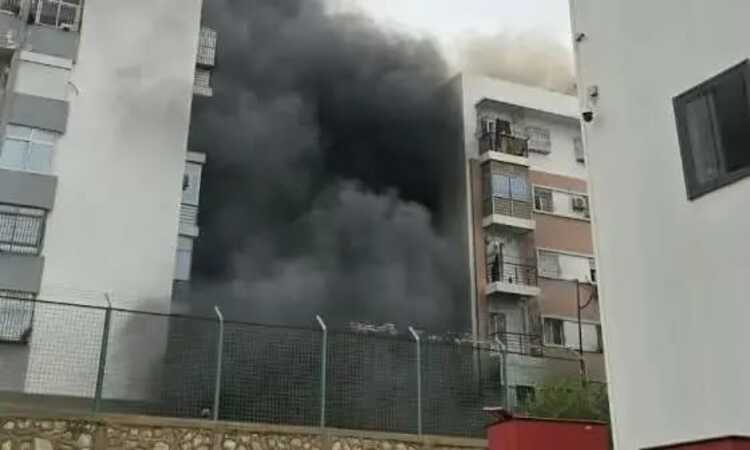
The repeated fires that have affected a number of restaurants, eateries, and entertainment venues in the city of Agadir have reignited the discussion surrounding the criteria for granting operating licenses, and the extent to which safety and prevention conditions are met before licensing and after the commencement of activities.
The debate is no longer confined to restaurants that use gas and heat sources but has extended to some entertainment venues and recreational spaces that operate after obtaining licenses, despite questions being raised about whether some of them have sufficient escape routes and exits that meet safety requirements, especially in places that receive large numbers of customers.
This situation raises questions about whether the inspection is limited to the licensing stage or continues periodically to ensure that safety conditions remain available during operation. This is particularly relevant as some changes made to establishments after their opening, such as renovating spaces, expanding them, or changing the nature of the activity, can affect evacuation and safety conditions. Furthermore, the use of gas and electricity equipment, and other sources like charcoal within enclosed spaces, makes any lapse in prevention conditions a factor that can multiply the severity of accidents.
While the responsibility for intervention in case of fires falls under the purview of the concerned authorities, there is a growing demand to review the licensing and inspection system more stringently. This includes verifying escape routes, alarm and firefighting systems, electricity and gas networks, ventilation, and the extent to which the activity conforms to the licensed usage.
The question posed today in Agadir is not only about how to extinguish fires after they break out but also about how to prevent them from occurring in the first place, and who verifies the continued adherence to safety conditions after the licenses are issued.