This article was automatically translated from HIBAPRESS, the Arabic version:
Hibapress / MAP
Within the United Nations, the growing and multifaceted international support for the Moroccan autonomy initiative in the Sahara and for the national sovereignty and territorial integrity of Morocco is an irrefutable reality.
Driven by King Mohammed VI and supported by active and proactive diplomacy, this innovative and constant dynamic reinforces the legitimate rights of Morocco and the intangible sovereignty of the Kingdom over its entire territory, including the Sahara.
It also confirms the irreversibility of a political solution to this regional dispute based exclusively on the autonomy plan, within the framework of national sovereignty and the territorial integrity of the Kingdom.
Some 110 United Nations member states, including two permanent members of the Security Council (the United States and France), 19 members of the European Union and numerous countries in Africa, Asia, Latin America and the Arab world, as well as regional and sub-regional organizations, expressed their clear and unequivocal support for the autonomy plan.
Thanks to the King’s insightful and avant-garde vision, Morocco has seen its achievements reinforced in the year 2024 within the United Nations.
In its resolution 2756 on the Sahara issue, the Security Council positioned the Moroccan autonomy initiative as the one and only basis for the negotiation of a political solution to this regional dispute within the framework of sovereignty and peace. territorial integrity of the Kingdom.
This new resolution also consecrated, for the 17th consecutive year, the preeminence of the autonomy initiative, qualifying it as a serious and credible effort, while asking the UN executive body to take into consideration the international dynamic and momentum for the benefit of the Moroccan autonomy initiative which enjoys ever-growing international support throughout the world.
This unambiguous consecration was also reaffirmed by numerous countries, regional groupings and petitioners who took the podium of the 4th Committee of the United Nations General Assembly to provide their support for the political process and praised the sincere and serious efforts of the Morocco, embodied by the autonomy plan.
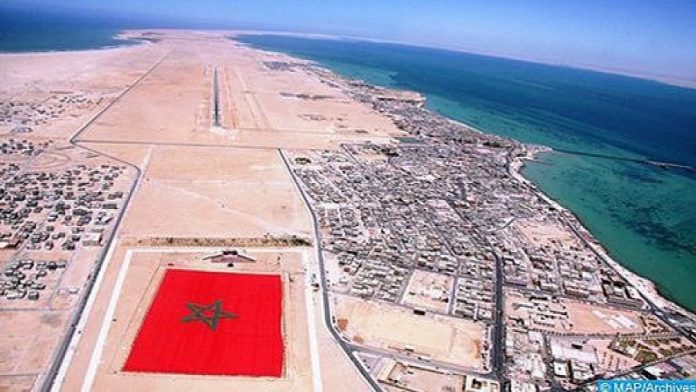
Throughout the month of October, ambassadors and representatives of delegations and regional groups took the floor to also express their conviction of Morocco’s sovereignty over its southern provinces and highlight the preeminence of the autonomy plan as one and only solution to the regional conflict over the Sahara, as well as the dynamic of all-out development experienced by this dear part of the Kingdom.
In the same vein, the UN General Assembly reiterated, in a resolution adopted at the beginning of December, its support for the political process carried out under the exclusive aegis of the United Nations for the settlement of the regional dispute around the Moroccan Sahara, in the framework of Security Council resolutions since 2007.
This resolution, like its previous ones and those adopted by the Security Council for more than two decades, at no time cites the referendum, dead and buried both by the Secretary General of the UN and by the General Assembly and the United Nations Security Council.
Even more, this resolution undermines the lies and fabrications of Algeria and its puppet the “Polisario” regarding the situation in the Moroccan Sahara, characterized by tranquility, stability and all-round development.
These positions in support of Morocco’s irrefutable sovereignty over its Sahara were also clearly expressed during several of the meetings that the Minister of Foreign Affairs, African Cooperation and Moroccans living abroad, Nasser Bourita, had with his counterparts and senior officials of Member States, on the sidelines of his participation in the 79th session of the UN General Assembly which was held last September in New York.
These diplomatic breakthroughs by Morocco in the Sahara issue rightly provide information on an innovative approach, driven by the King’s unfailing commitment to the sacrosanct principles of sovereignty and justice.