HIBAPRESS – Mohamed Zariouh
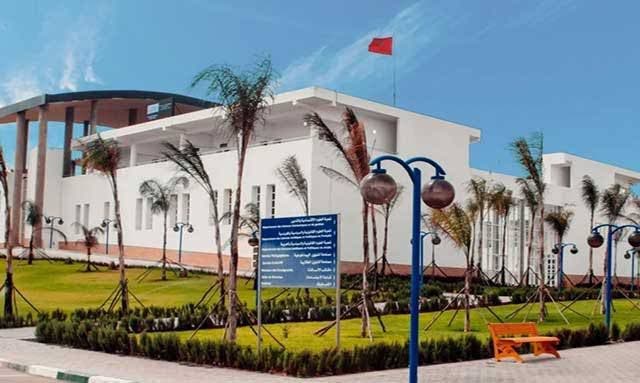
The decision to freeze the establishment of the Media and Communication Sciences Department at the Faculty of Languages, Arts and Humanities at Ibn Tofail University in Kenitra, which was approved by the university council last January, sparked widespread controversy within university and media circles, and opened a lively discussion about the reasons for suspending academic projects and its impact on students and the national media scene.
The decision, which came a few months after its approval under Decision No. 59/25 dated January 23, 2025, left a void in the pedagogical map for the 2025-2026 academic year, and raised the surprise of students and professors, especially after the issuance of Ministerial Memorandum No. 25/158 dated July 29, 2025 without any official clarification of the reasons for the freezing.
Parliamentarian Mustafa Ibrahimi also intervened, directing a written question to the Minister of Higher Education, Scientific Research and Innovation under the supervision of the Speaker of the House of Representatives, in which he demanded the disclosure of the real reasons that prevented the decision from being activated, and about the measures to be taken to re-include the department within the next pedagogical map. The parliamentarian confirmed in the text of the question that the establishment of this department would have enhanced academic training in the field of media and communication, and enabled students to access modern professional paths that are in line with the digital and cultural and media transformations witnessed by Morocco and the world.
A number of professors specializing in media and communication confirmed that the decision constitutes “a frustration of academic plans and harms the future of students.” Dr. Fatima Zahra Al-Rifi, a professor of media and communication, said: “This department was supposed to provide students with the opportunity to acquire advanced skills in digital journalism and media content management, but the sudden freezing disrupts these ambitions and leaves them in a state of uncertainty.” Professor Marouane Al-Daoudi added: “The matter is not only related to the academic dimensions, but extends to include the local economy; graduates specializing in media and communication form an economic force by supporting media institutions and emerging companies, and are considered a real lever for the digital labor market.”
For their part, a number of students expressed their strong dissatisfaction with the decision, considering that it "reduces their opportunities to pursue advanced academic paths," while student Laila Al-Siddiqi said: "We were looking forward to entering the Media and Communication Department, but the announcement of its freezing came as a surprise and directly affected our study and career plans." Student Youssef Benjelloun added: "The department represents an opportunity to prepare competencies capable of dealing with digital media and modern technologies, and gives young people the tools necessary to compete in the international labor market."
On the political level, analysts believe that the decision reflects the challenges of university administration and higher education policies in Morocco, especially with regard to activating new projects in light of their dependence on limited budgets and lengthy bureaucratic procedures. Professor Mohamed Bensaid, a professor of political science, said: “Freezing a media department of this size reflects the difficulty of coordination between the various university and ministerial interests, and raises questions about the government's strategy in supporting modern formations necessary to keep pace with global digital transformations.”
Reports from economic and educational experts also indicated that such specializations could be a strong lever for the local digital economy, by graduating graduates capable of managing digital media, developing media content, and supporting start-up companies in the media and communication sector. Professor Kamal Shraibi, an expert in the digital economy, explained: “Freezing this department limits the opportunities to create new jobs and pushes some students to search for alternative formations outside Morocco, which means losing a large investment at the economic and cultural level.”
Parliamentarian Mustafa Ibrahimi stressed the need for the ministry to intervene to respond to the questions of students and professors, and to clarify the standards adopted in making the decision, stressing that media and communication represent strategic tools to enhance Morocco's cultural presence internally and internationally, and to graduate competencies capable of keeping pace with modern digital and media transformations. He also demanded the re-inclusion of the department within the next pedagogical map to ensure the rights of students and continue to develop university training in this vital field.
This issue is expected to spark a wide discussion within Parliament, at a time when national and international interest is increasing in developing training in the fields of media and communication, as it is a basic lever to enhance Morocco's cultural and creative presence, and strategic support for the digital and media sector. This file also highlights the need for a clear plan for Moroccan universities to ensure the continuity of academic projects and facilitate procedures, taking into account the needs of students, and supporting economic development through qualified national competencies.
This decision comes at a time when Moroccan universities are witnessing a rapid transformation in digital and media formations, as preparing graduates capable of keeping pace with media and technological transformations has become a strategic necessity to support the digital economy and enhance Morocco's competitiveness at the regional and international levels. Observers confirm that reconsidering the freezing decision and resuming the implementation of the department will enhance the university's position in the field of media and communication, and contribute to meeting the aspirations of students, professors, civil society, and the economic sector.
In light of this controversy, the question remains open about the effectiveness of coordination between universities and the supervising ministry, and the importance of transparency in making decisions that affect the future of students, to ensure that important academic projects that reflect the priorities of human and digital development in Morocco are not disrupted. The file also reopens the discussion about the role of Parliament in monitoring higher education decisions, and the need to protect the rights of students and secure academic paths that are in line with contemporary digital and economic transformations.