HIBAPRESS – Abdellatif Barka
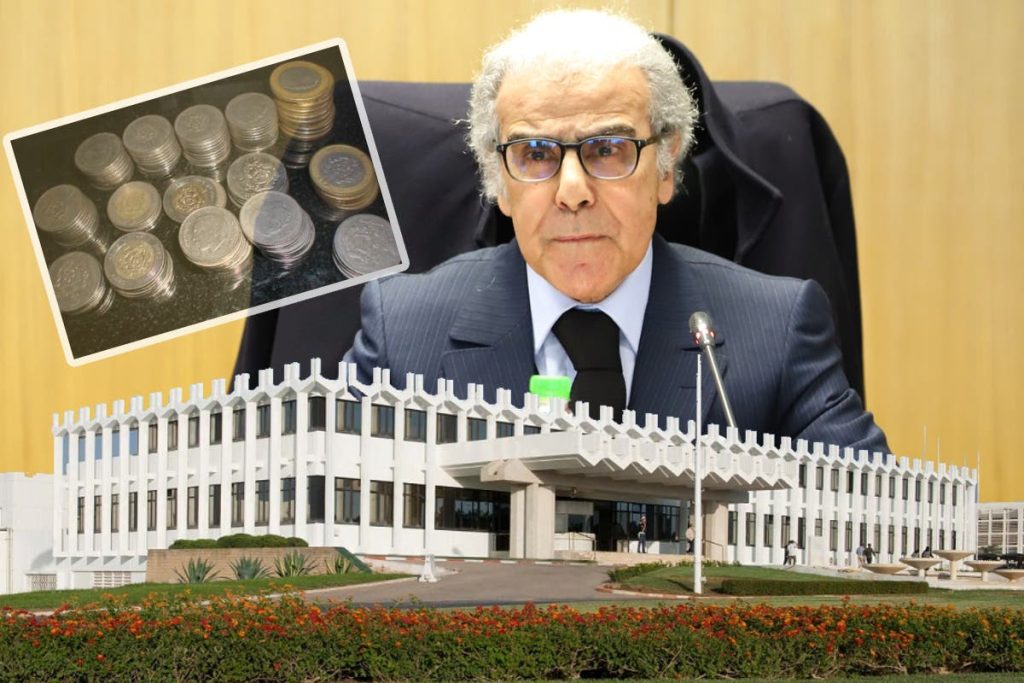
For months, several Moroccan cities have been experiencing an undeclared crisis in the availability of metal coins, especially the one dirham, two dirham, and half dirham denominations. These are the coins on which the majority of daily transactions in small shops, popular markets, and means of transportation rely.
Despite the absence of a direct official statement from Bank Al-Maghrib acknowledging this crisis, the signs of commercial disruption have become clear. The simplest sales operations are now met with delays or bargaining due to the lack of small change. Small traders, especially grocery store owners, are now forced to search daily for metal coins; some even pay commissions to individuals, such as "beggars," to obtain them. While these commissions are not significant in appearance, they increase the operating costs for traders working with narrow profit margins. The citizen is faced daily with uncomfortable situations, either giving up part of the change, buying an extra item to get metal coins, or changing shops in search of someone who can provide accurate change. The responsibility of issuing and monetary institutions becomes clear when analyzing the roots of the crisis. The Mint Directorate, affiliated with Bank Al-Maghrib, confirms through its official duties that it mints the required quantities of metal coins annually according to national circulation needs. However, the increased cost of metal production due to raw material and energy prices makes the minting rate constrained by financial and technical constraints, especially for denominations that require high-cost manufacturing compared to their value. In contrast, Bank Al-Maghrib bears the responsibility of managing cash liquidity and distributing it through banks, but many traders point to the difficulty of obtaining metal coins from bank branches, which often prefer to supply them with banknotes only. This disruption in the distribution path causes the metal coins not to reach, sufficiently, the shops that depend on them, although the Mint continues the production process. The problem is compounded by the increase in the volume of metal coins held by citizens inside homes or in shop tills without returning them to the banking network. This behavior creates something akin to "monetary leakage" and effectively reduces the quantity of metal coins in circulation, despite the existence of new annual production. Banking analyses also indicate an increase in what is called non-transactional money, i.e., money that exits the economic cycle and does not return to official channels quickly, which affects the actual availability of small coins. The crisis is reflected in the daily economy at several levels, such as disrupting sales activity, creating tension between the seller and the customer, increasing hidden costs for traders, and weakening confidence in accurate monetary transactions. This situation may contribute to the emergence of informal practices such as selling or storing metal coins for profit, practices that harm economic smoothness. Although the causes of the crisis are not directly related to economic recession, they reveal a clear gap in the management of metal coins within the financial system or, as Moroccans popularly call it, "the change." Therefore, a joint approach is required between Bank Al-Maghrib and the Mint, which includes strengthening the production rate for the most demanded denominations, reorganizing distribution channels for banks and traders, encouraging citizens to return metal coins to the banking cycle, in addition to expanding the use of electronic payment to reduce pressure on small coins. In the end, the crisis of metal coins in Morocco is not just a shortage of simple metal coins; it is an indicator of an imbalance that needs serious treatment to ensure the smooth flow of daily transactions. The success of the daily economy depends on the availability of these small denominations, and the role of both Bank Al-Maghrib and the Mint is essential in restoring the balance without which commercial activity cannot function.