HIBAPRESS
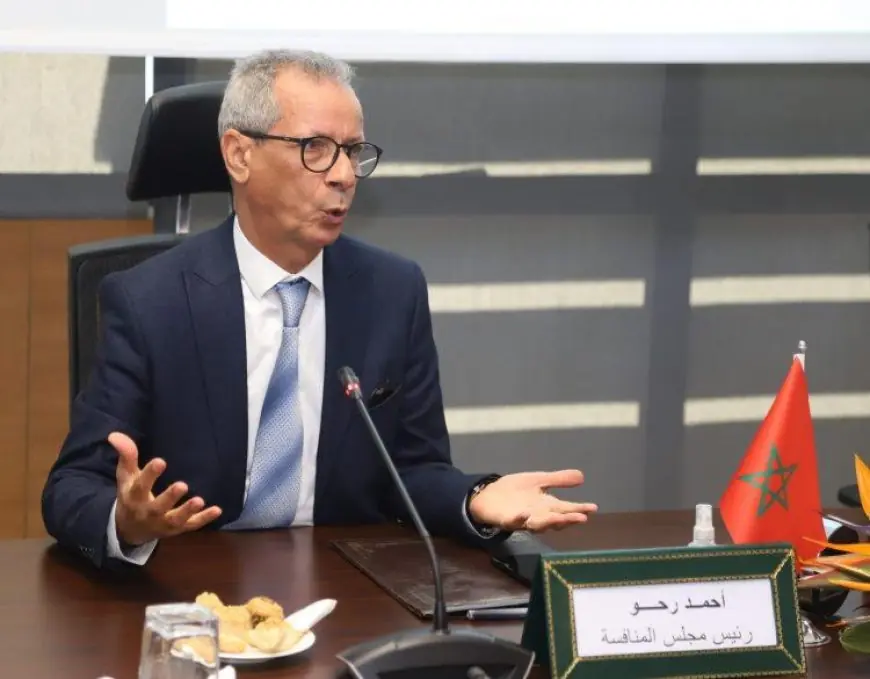
Ahmed Rahhou confirmed that the promotion of the idea that the profits of fuel companies at the national level reached 17 billion dirhams in one year is incorrect, noting that there are no official data documenting this amount, as the profit figures of these companies are not secret or hidden information, but are available to everyone.
The President of the Competition Council stated in a press interview with Al-Amaq website that the council he heads relies exclusively on official data issued by the competent administrations, foremost of which are the data of the tax administration, indicating that he possesses all the necessary information to accurately assess the financial position of the sector. He explained in this context that market control is carried out through two levels, the first of which falls within the jurisdiction of the government, which undertakes daily and direct monitoring of prices and supply, through the Ministries of Interior and Finance to ensure the existence of essential materials. The second level is the subsequent role of the Competition Council, which intervenes based on precise investigations that require a long time to prove the existence of a defect in the behavior of economic actors. Rahhou stressed that the Council cannot punish any actor without a strong legal argument, which explains the caution in issuing some decisions to ensure their fairness and legal force. He mentioned that Moroccan law, in line with international standards, does not prevent companies from making profits, but criminalizes "agreements" that harm fair competition, noting that the focus should be on how to determine prices and the extent to which they respond to international market fluctuations. He added that the Council requires fuel companies to provide it with periodic reports every three months explaining how increases or decreases are applied, to ensure that the change in price is done in a reasonable way that reflects the reality of the global market, and not as a result of prior agreements between competitors. The speaker considered that the role of the Council goes beyond simply controlling prices to protecting the strategic projects of the state, such as the comprehensive health coverage program, stressing that when it opens sensitive files, such as the pharmaceutical or fuel sectors, it aims to prevent any unacceptable cost that may be borne by the state budget or social security funds as a result of the absence of competition, because maintaining competitive prices is the only guarantee for the sustainability of these social services and the protection of the purchasing power of the citizen.