HIBAPRESS – Abdelatif Baraka
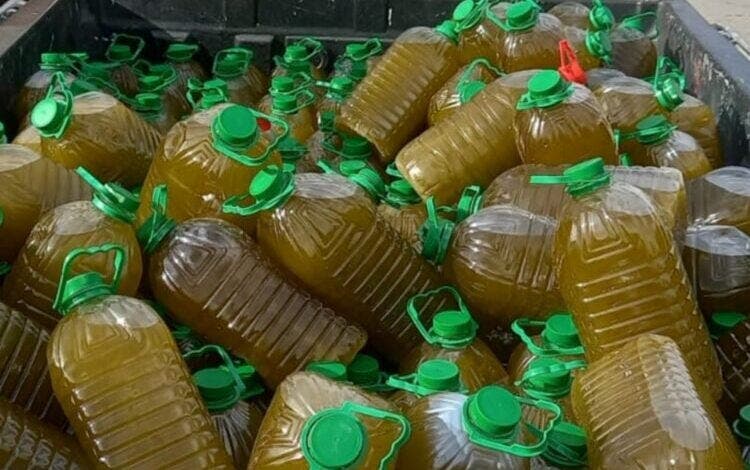
The National Office of Food Safety (ONSSA) carried out a total of 439 field monitoring operations during the 2024-2025 season in olive oil production units in various regions of the Kingdom. These operations resulted in the withdrawal of seven health licenses and the suspension of eleven others, in addition to the destruction of forty-one tons of non-compliant products, and the referral of seventy-three violation files to the competent authorities. These figures reflect the rigor of the national regulatory body, which works proactively to protect the quality of the Moroccan product and ensure its safety before it reaches the consumer or crosses the borders to foreign markets.
These results come at a time when news has been circulating on social media about the return of a shipment of Moroccan olive oil from Europe due to pesticide residues. However, the National Office of Health Safety (ONSSA) quickly denied these allegations, confirming in an official statement that the incident dates back to 2024, and is not related to the current season. The statement explained that the Belgian authorities had withdrawn a limited batch of Moroccan olive oil at the time, not because of product contamination or the presence of pesticide residues, but as a result of the absence of some mandatory data on the label, such as the batch number and expiry date, which prevented the precise identification of the product's source. The Belgian Federal Agency for the Safety of the Food Chain (AFSCA) confirmed that the decision was purely administrative and technical and was not related to the quality or safety of the product. For its part, ONSSA services launched an internal investigation within the production unit concerned, where the investigations concluded that all health and regulatory procedures comply with national and international standards, and that no shipment of Moroccan olive oil was returned during 2025. The National Office of Health Safety (ONSSA) adopts a comprehensive monitoring system, which is based on a preventive approach that starts from tracking agricultural products in the fields, through manufacturing and packaging units, to the monitoring of exports. The Office has also stepped up its efforts to monitor pesticide residues in agricultural products, where the number of tested samples increased from 1,536 samples in 2020 to 6,635 samples in 2025, within the framework of a precise analysis system carried out in internationally recognized laboratories according to the ISO/CEI 17025 standard, supervised by a specialized and qualified technical staff. This data confirms that the monitoring of Moroccan olive oil is not limited to addressing exceptional cases, but represents a continuous regulatory policy aimed at protecting the consumer and enhancing the confidence of international markets in the national product. Behind every bottle of Moroccan olive oil, there is a precise and integrated regulatory work that consolidates the image of the Moroccan product as a symbol of quality and originality in both the local and global markets.