HIBAPRESS – Mohammed Zriouh
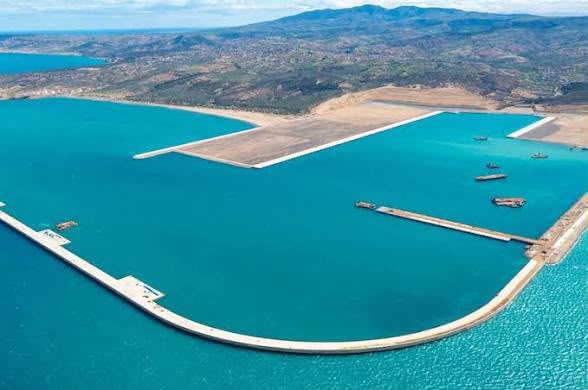
The Nador West Med region is set to host a new industrial project in the field of sustainable energy, through the establishment of a specialized unit for the production of sustainable aviation fuel with an investment of approximately $239 million. The project is being developed by "Green Sky Capital," backed by shareholders from Saudi Arabia and Qatar, a move expected to enhance the region's industrial presence and open economic horizons linked to alternative energies.
According to data contained in the project documents published by the European Bank for Reconstruction and Development, the factory is planned to commence operations in August 2028, adopting a production system that requires about 200,000 tons of raw materials annually. The company aims to secure 40 percent of these needs from the Moroccan market, while the remaining quantity will be covered through imports, relying mainly on used cooking oils and oil processing residues. Foreign shipments will pass through the Nador West Med port.
The project relies on attracting 80,000 tons of raw materials locally per year, versus importing 60,000 tons of used cooking oils and 60,000 tons of acid oils resulting from oil refining processes. Despite the opportunities this trend may offer for used oil collection, storage, and transportation activities, the success of the supply system will remain linked to the actual availability of the required quantities. Notably, the available documents did not specify potential suppliers or the volume of exploitable inventory within the national market. The plans also include engaging women-led cooperatives and providing training programs for stakeholders in the supply chain.
On the financing level, the European Bank for Reconstruction and Development is considering granting a secured loan of up to $105 million, divided into a tranche of $85 million and another of $20 million that has not yet been committed. There is also a possibility of the Green Climate Fund contributing an amount of up to $20 million, along with a European guarantee to cover part of the financial risks.
However, these arrangements are still under review and approval, without revealing details of how the rest of the investment cost will be covered, except for the indication of a long-term product purchase agreement with an unnamed private sector party.
The factory is expected to be built on an area of approximately 8.8 hectares within the industrial and logistics zone, using licensed technology from "Axens" for hydrogenating oils and fats. Estimates indicate the potential to create about 400 jobs during the construction phase and 162 positions during operations, with production primarily directed towards export.
While some documents mention a production capacity of up to 200,000 tons per year of sustainable aviation fuel, a technical summary provides a figure close to 176,000 tons, in addition to other products such as renewable diesel, bio-jet fuel, and biogasoline. This discrepancy has not been clarified by the documents, pending the completion of necessary studies and approvals, and securing the essential supplies to bring the project to fruition.